A kitchen remodel is mostly about cabinets, counters and appliances, but nearly every one of those decisions touches the plumbing. Where the sink goes, what's in the island, whether you want a pot filler or a fridge with an ice maker: all of it is easier and cheaper to plan before the old kitchen comes out. Here's what to think through.
1. Keep the Sink Where It Is, or Plan the Move
Leaving the sink in the same spot keeps plumbing costs down. Moving it means new supply lines and a new drain, and drains need enough slope to the main line to work. In many Tampa Bay homes the drain runs under a concrete slab, so moving the sink across the room can mean cutting and patching the floor. It's very doable, but it belongs in the budget from the start.
2. Island Sinks Need Venting
Every drain needs a vent so it flows smoothly and the trap doesn't get siphoned dry. Against a wall, the vent runs up inside the wall. An island has no wall, so the vent has to be designed differently. Your plumber will plan the right venting method for your layout and local code. Bring it up early, because it affects the cabinet and floor work.
3. Dishwasher and Disposal
- Put the dishwasher right next to the sink. Its drain hose has to reach the sink drain or disposal.
- A garbage disposal needs an electrical outlet or hardwired circuit under the sink, plus a switch. Coordinate with your electrician.
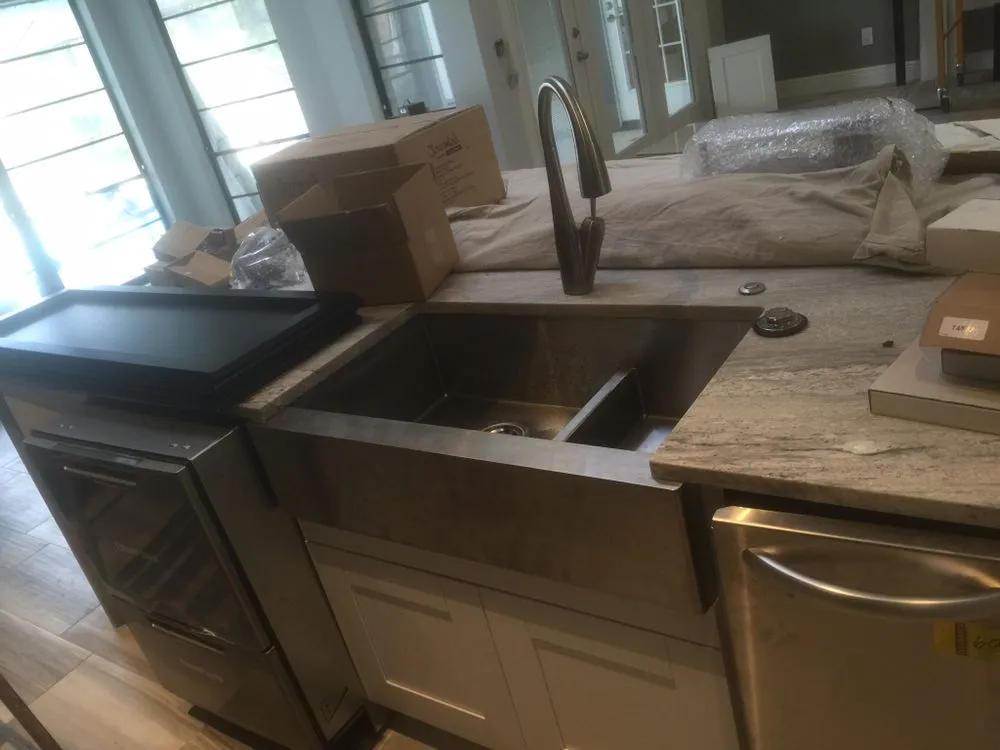
- A new farmhouse or undermount sink may change the drain height, which affects how the disposal and dishwasher connect.
4. Water Lines for Appliances
- Refrigerator ice maker and water dispenser: needs a supply line with its own shut-off valve behind the fridge.
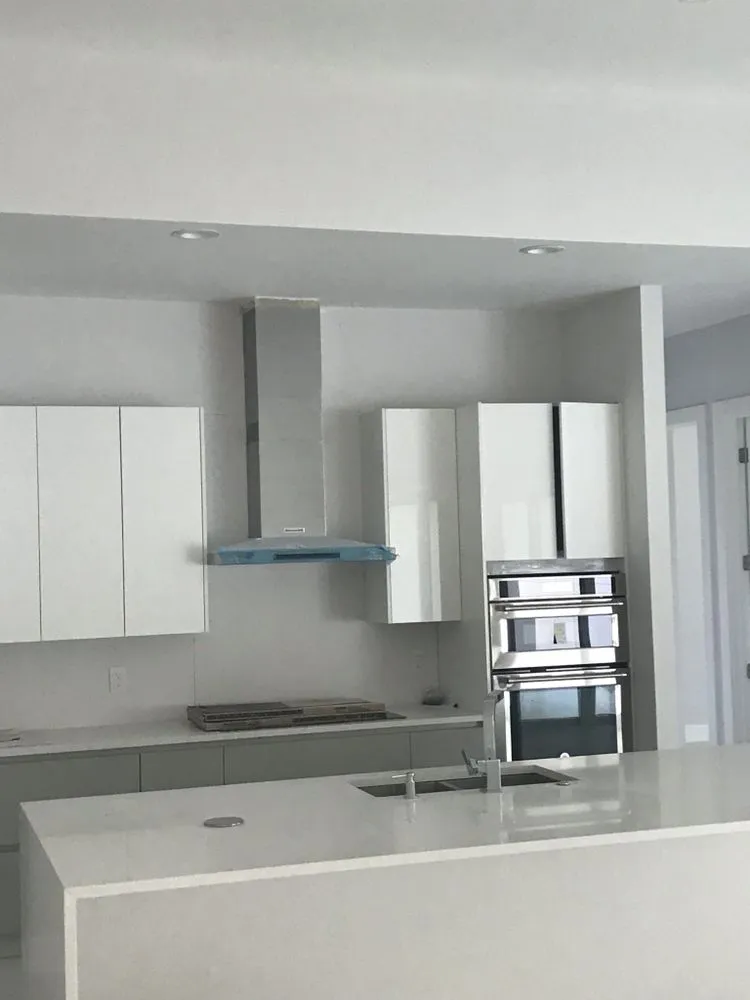
- Pot filler: a faucet over the range needs a supply line run inside the wall before drywall and backsplash go up.
- Under-sink water filter or instant hot water dispenser: plan the space under the sink and, for instant hot, an outlet.
- Gas range: if you're switching from electric to gas, the gas line needs to be planned and installed by a licensed professional.
5. Replace Old Shut-Offs and Supply Lines
While everything is open, replace old shut-off valves under the sink and behind the fridge. Old valves often seize or leak once they're turned, and it's much easier to change them now than after the new cabinets are in. It's also the right time to replace any old galvanized or polybutylene pipe serving the kitchen.
6. Pick Fixtures Before Rough-In
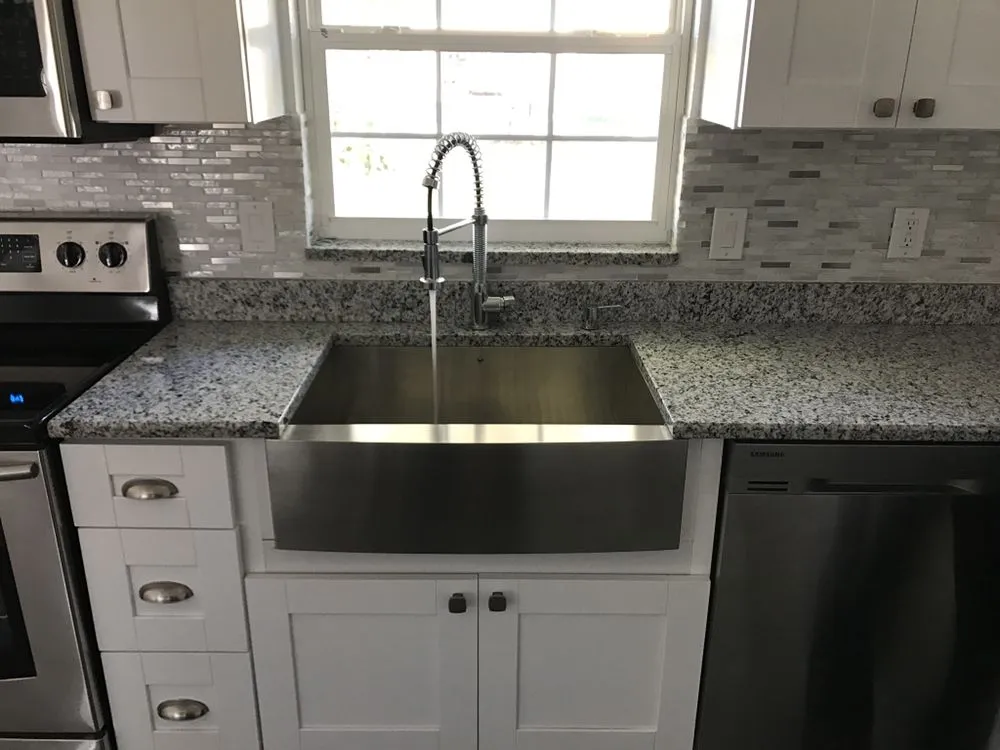
Choose your sink, faucet and disposal before the plumber does the rough-in. Faucets need a certain number of holes in the sink or counter. Sinks set the drain height. Some faucets and pot fillers need their own valves in the wall. Having the exact models in hand avoids surprises at install.
7. Permits
Moving or adding plumbing in a remodel generally requires a permit in Florida, from your city or county. Inspections happen at rough-in, before walls and floors close, and at the end. A permitted remodel also protects you when you sell.
Planning a Kitchen Remodel?
Believe Plumbing handles kitchen remodel plumbing across Tampa Bay: moving and adding lines, sinks and faucets, disposals, dishwasher and ice maker connections. Planning a bathroom too? See bathroom remodel plumbing. Browse our work or contact us for a free estimate.
Need a Plumber in Tampa Bay?
Believe Plumbing is available 24/7 for emergencies and offers free estimates on all services.