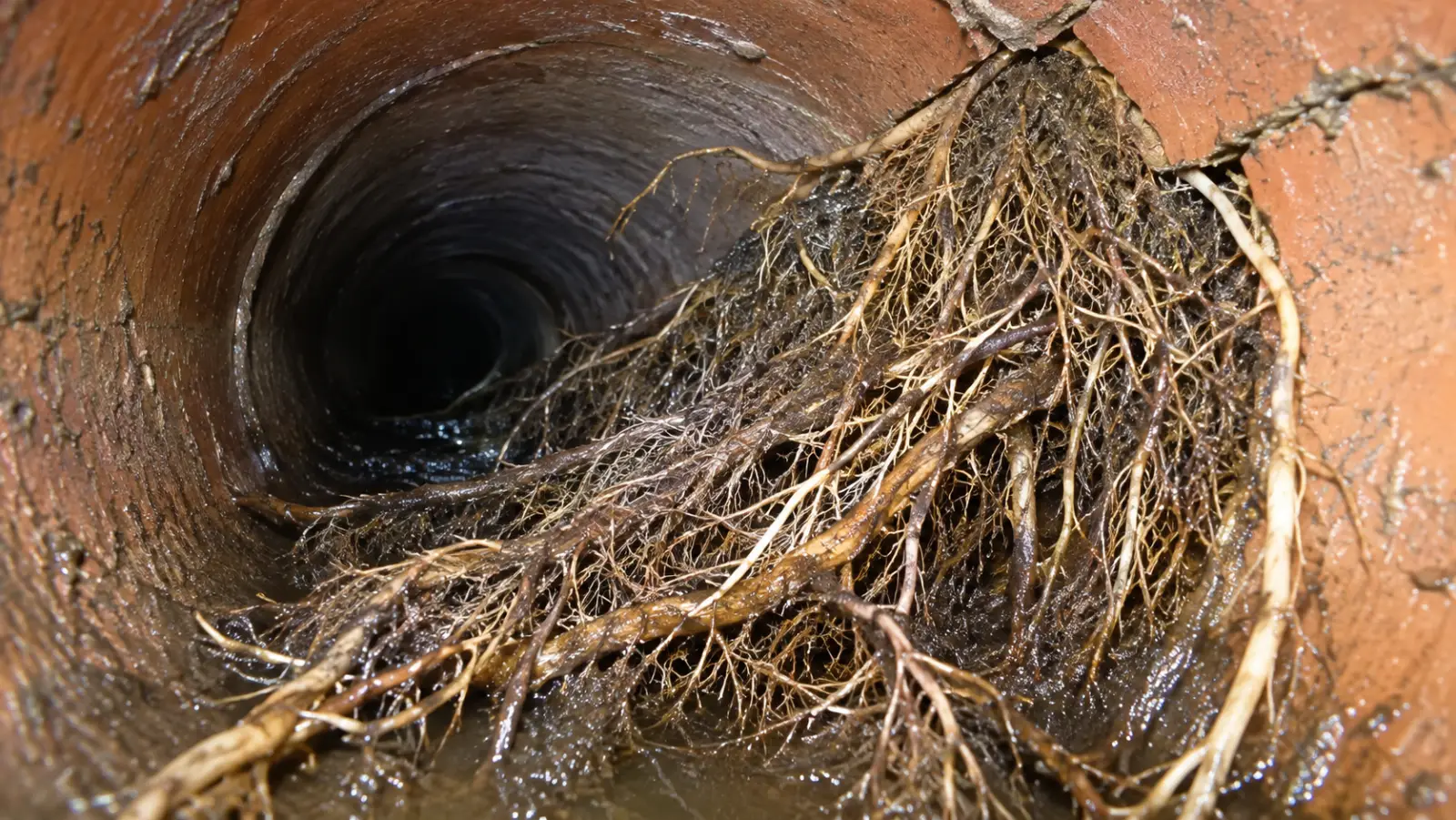
You clear the drain, it works for a few weeks, and then it's slow again. If that keeps happening, the problem usually isn't the drain you're looking at. In older Tampa Bay neighborhoods, one of the most common causes of repeat clogs is tree roots growing into the main sewer line. Here's how to tell, and how to fix it so it stays fixed.
Is It One Drain or the Main Line?
A single slow sink or tub is usually a local clog: grease and food in the kitchen, hair and soap in the bathroom. Those are quick to clear.
These signs point to the main sewer line instead:
- Several drains are slow at the same time
- The toilet gurgles when you run the sink or the washing machine drains
- Water backs up into the lowest tub or shower in the house
- A sewage smell inside or in the yard
- A patch of lawn over the sewer line that's greener and lusher than the rest
- The same clog comes back every few weeks or months
When the main line is the problem, clearing the sink drain only helps for a little while. The blockage is further down.
Why Roots Get Into Sewer Lines Here
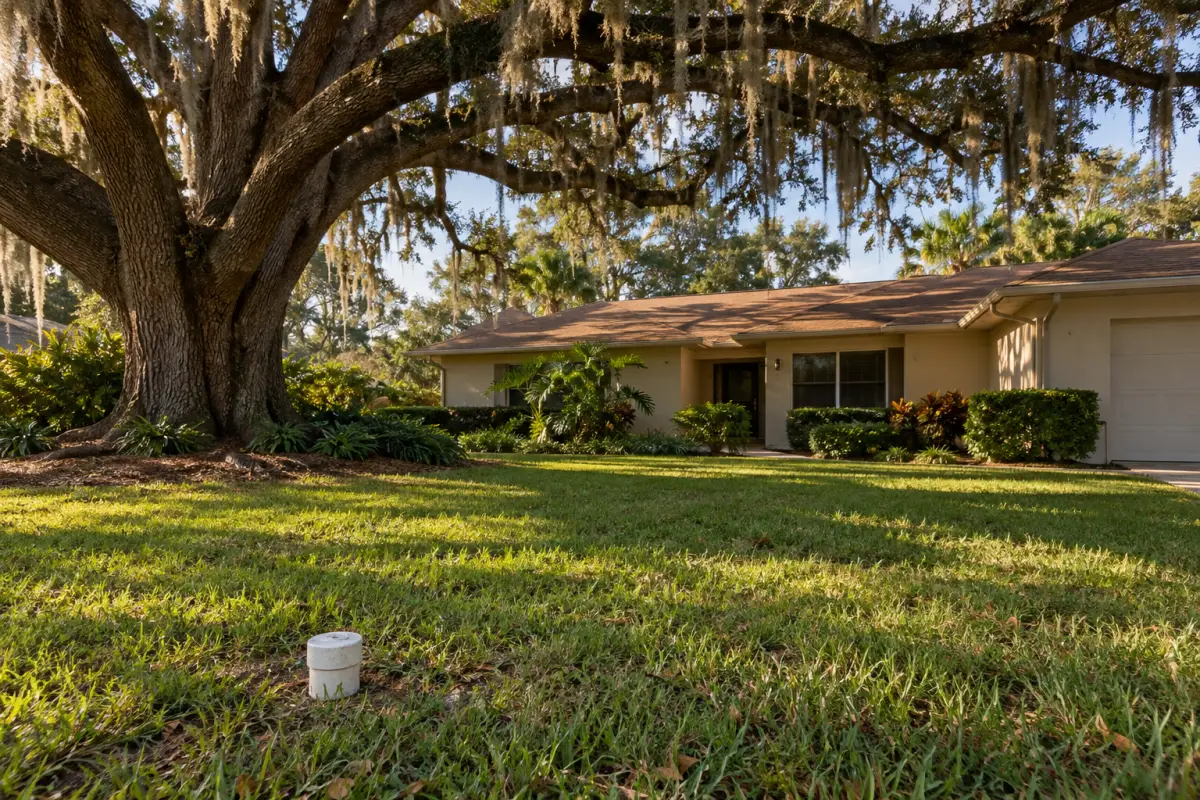
Tampa's established neighborhoods are full of big live oaks and laurel oaks, and their roots spread far beyond the canopy. A sewer line is a steady source of water and nutrients. Roots find the smallest crack or loose joint, grow inside, and keep growing.
Older homes make it easier for them. Homes built through the 1970s often have clay or cast-iron sewer pipe, which comes in short sections with a joint every few feet. Every joint is a possible way in. Once roots are inside, they catch toilet paper and grease, which builds into a clog. Over time they can crack or break the pipe.
Florida's sandy soil adds another problem. Lines can settle into low spots, called bellies, where waste collects and roots thrive.
We see this most in older areas like Seminole Heights, West Tampa, South Tampa and Carrollwood. Newer communities like Westchase have PVC sewer lines with glued joints, which hold up much better against roots, so repeat clogs there are more often grease or a sag in the line.
Other Causes of Repeat Clogs
- Grease buildup in the kitchen line, which narrows the pipe a little more every time it's cleared
- Scale and corrosion inside old cast-iron drains, which roughens the pipe so waste catches on it
- A belly or sag in the line where waste settles
- "Flushable" wipes, which don't break down like toilet paper and snag on anything in the line
Why Store-Bought Fixes Don't Last
Chemical drain cleaners can't reach a main-line clog, rarely dissolve roots, and are hard on old pipe. A rented drain snake may punch a hole through the clog, but it leaves most of the roots in place, and they grow back. If the same drain keeps clogging, it's time to find out why.
How We Find the Cause: A Camera Inspection
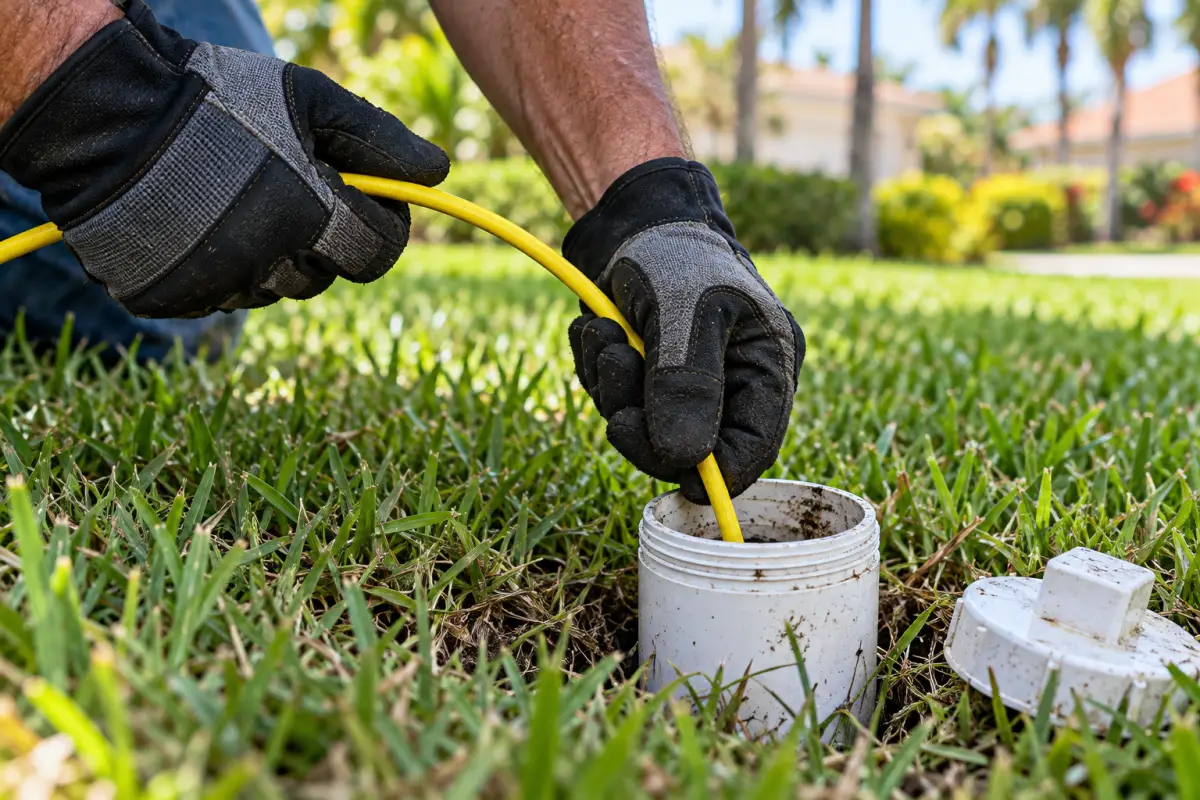
A sewer camera shows exactly what's in the line: roots, a crack, a belly, a collapsed section, or just a heavy clog. It goes in through the cleanout, usually a capped white pipe sticking up from the ground near the front or side of the house. You see the same footage we do, and we know where the problem is before anyone talks about digging.
That inspection decides the fix, and it keeps you from paying for work you don't need.
Fixing It
Clearing the line. A powered cable machine with a cutting head clears roots and debris and gets things flowing again. If the pipe is otherwise in decent shape, this can be enough, but roots that got in once usually come back. Some homeowners schedule clearing every year or so to stay ahead of them.
Repairing the damaged section. When the camera shows one bad spot, like a cracked joint or a broken section, that section can be replaced. New PVC pipe has glued joints that roots can't get through.
Replacing the line. When the pipe is cracked in several places, badly bellied or collapsed, replacing it with new PVC is the permanent fix. Sewer work is permitted and inspected, and you get an upfront quote before anything starts.
How to Prevent Root Problems
- Find out where your sewer line runs, from the house to the street, before planting trees.
- Keep large trees away from the line. Smaller shrubs are a safer choice near it.
- Keep wipes, grease, coffee grounds and paper towels out of your drains.
- If you've had root clogs before, don't wait for a backup. Regular clearing is cheaper than a sewage cleanup.
- Buying an older home? Get a sewer camera inspection before you close.
Drain Keeps Clogging?
Believe Plumbing clears drains and sewer lines across Tampa Bay and uses a camera to find out why a clog keeps coming back. See our drain cleaning and sewer line repair services, including Tampa, Carrollwood and Westchase, or contact us for a free estimate.
Need a Plumber in Tampa Bay?
Believe Plumbing is available 24/7 for emergencies and offers free estimates on all services.