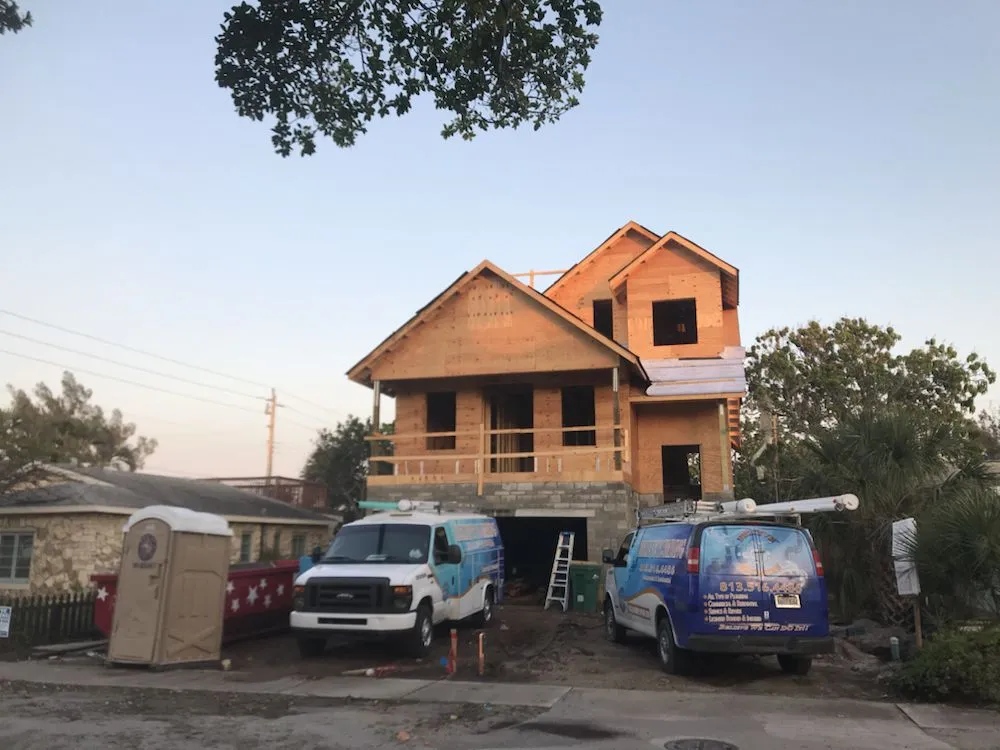
Plumbing a new home happens in stages that line up with the rest of the build, and each stage has to pass inspection before the next one starts. Whether you're a builder or a homeowner building a custom home, knowing the sequence helps you plan decisions and keep the schedule on track. Here's how it works in Tampa Bay, where most homes are built on a concrete slab.
Stage 1: Underground Rough-In
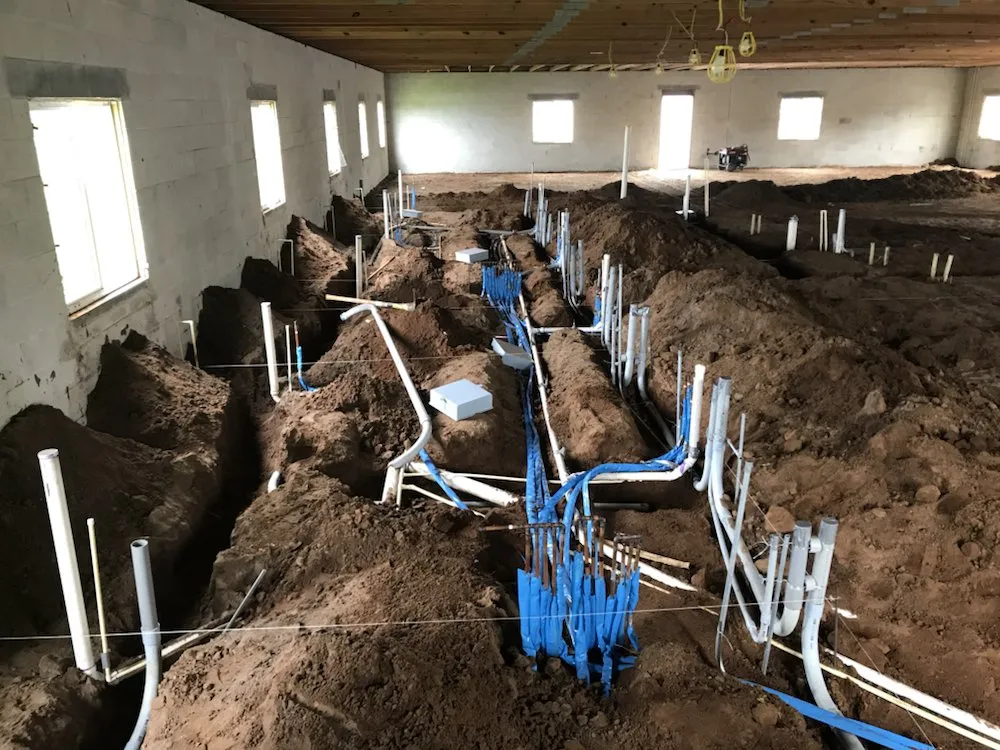
Before the slab is poured, the drain and waste lines are laid in the ground. Every toilet, tub, shower, sink and floor drain gets a pipe coming up through where the slab will be, set in exactly the right spot and at the right slope.
This is the stage where changes are hardest later. Once the concrete is poured, moving a toilet or shower drain means cutting the slab. Fixture locations need to be final before the underground goes in. The lines are tested and inspected before the pour.
Stage 2: Top-Out
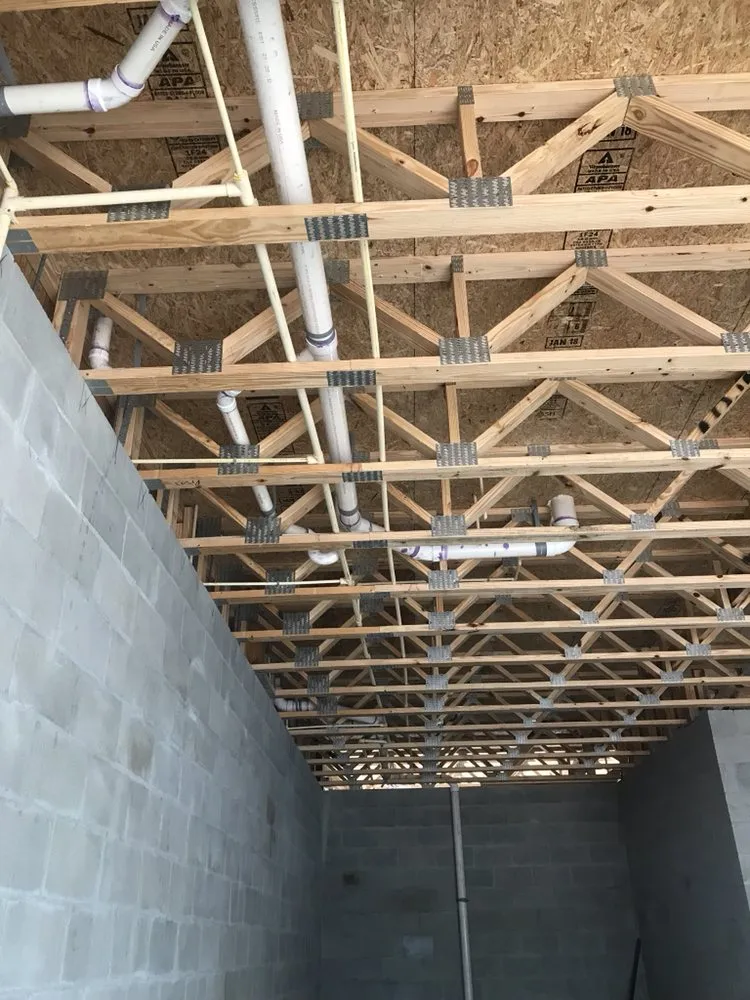
Once the house is framed, the plumber runs the water supply lines and the vent pipes through the walls, ceilings and up through the roof. Tub and shower valves are set in the walls, and every fixture gets supply stub-outs at the right height. The system is pressure-tested for leaks and inspected before insulation and drywall go up.
This is the time to finalize fixture choices that affect the walls: shower valve type, wall-mounted faucets, pot fillers, the ice maker line, laundry box location and outdoor hose bibs.
Stage 3: Water and Sewer Connections
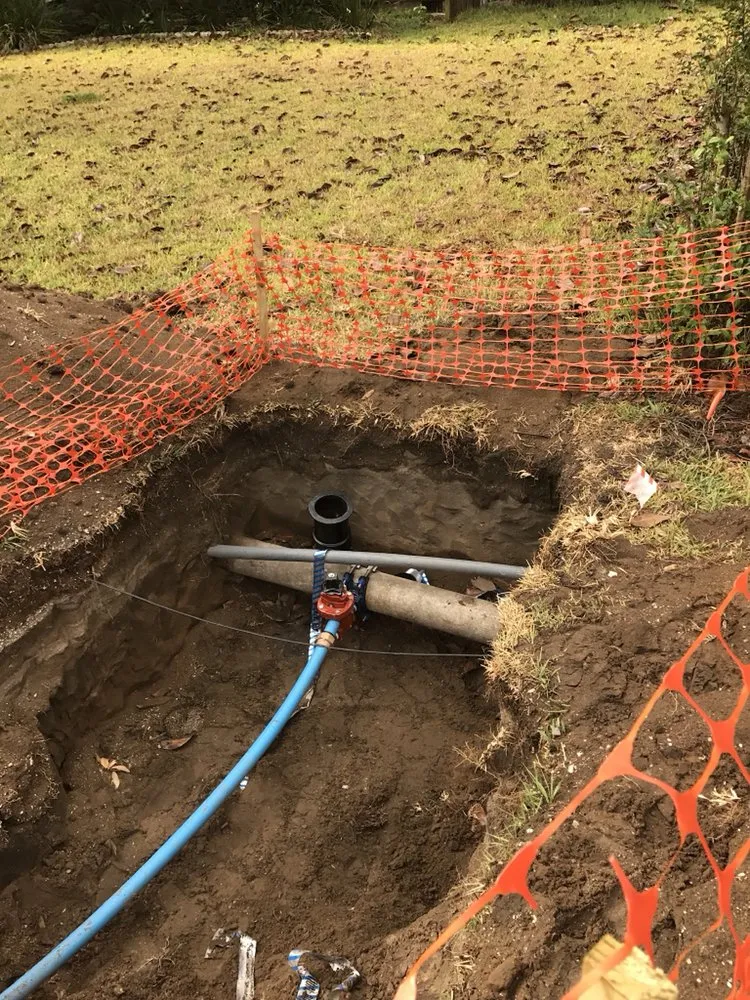
The house gets connected to the outside world. A water service line runs from the meter to the house, and the building drain connects to the city sewer or a septic system. Depending on the lot, this can happen before or during the other stages.
Stage 4: Trim-Out and Final
After cabinets, counters, tile and paint, the plumber comes back to set the fixtures: toilets, sinks, faucets, shower trim, the garbage disposal and the water heater. Everything is tested, and the final plumbing inspection is done before the certificate of occupancy.
Tips for Builders and Custom Home Owners
- Lock fixture locations before underground. Slab changes are expensive.
- Pick fixtures before top-out. Shower valves and wall-mounted faucets need to match their trim.
- Size the water heater to the house, including big tubs and multi-outlet showers. See what size water heater you need.
- Plan the water heater location with space, venting and a drain pan in mind.
- Keep the plumber in the schedule loop. Inspections at each stage keep the build moving, and missed ones hold everything up.
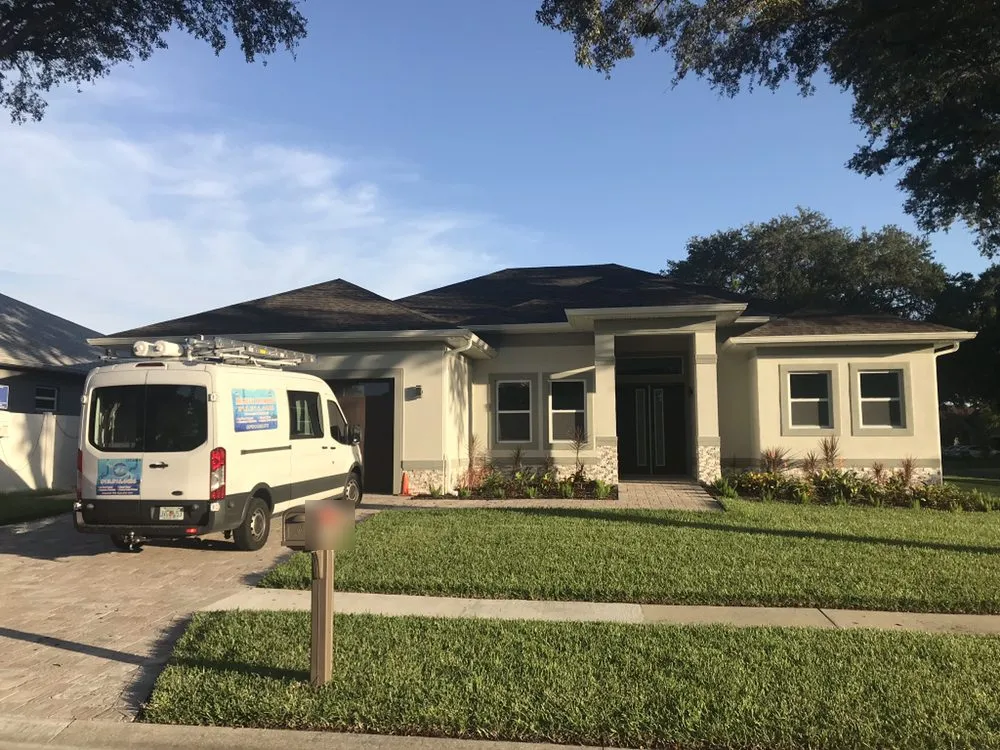
Building in Tampa Bay?
Believe Plumbing plumbs new homes and commercial buildings across Tampa Bay, from underground rough-in to final. See photos of our new construction and commercial work in our gallery, our residential and commercial plumbing services, or contact us to talk about your project.
Need a Plumber in Tampa Bay?
Believe Plumbing is available 24/7 for emergencies and offers free estimates on all services.