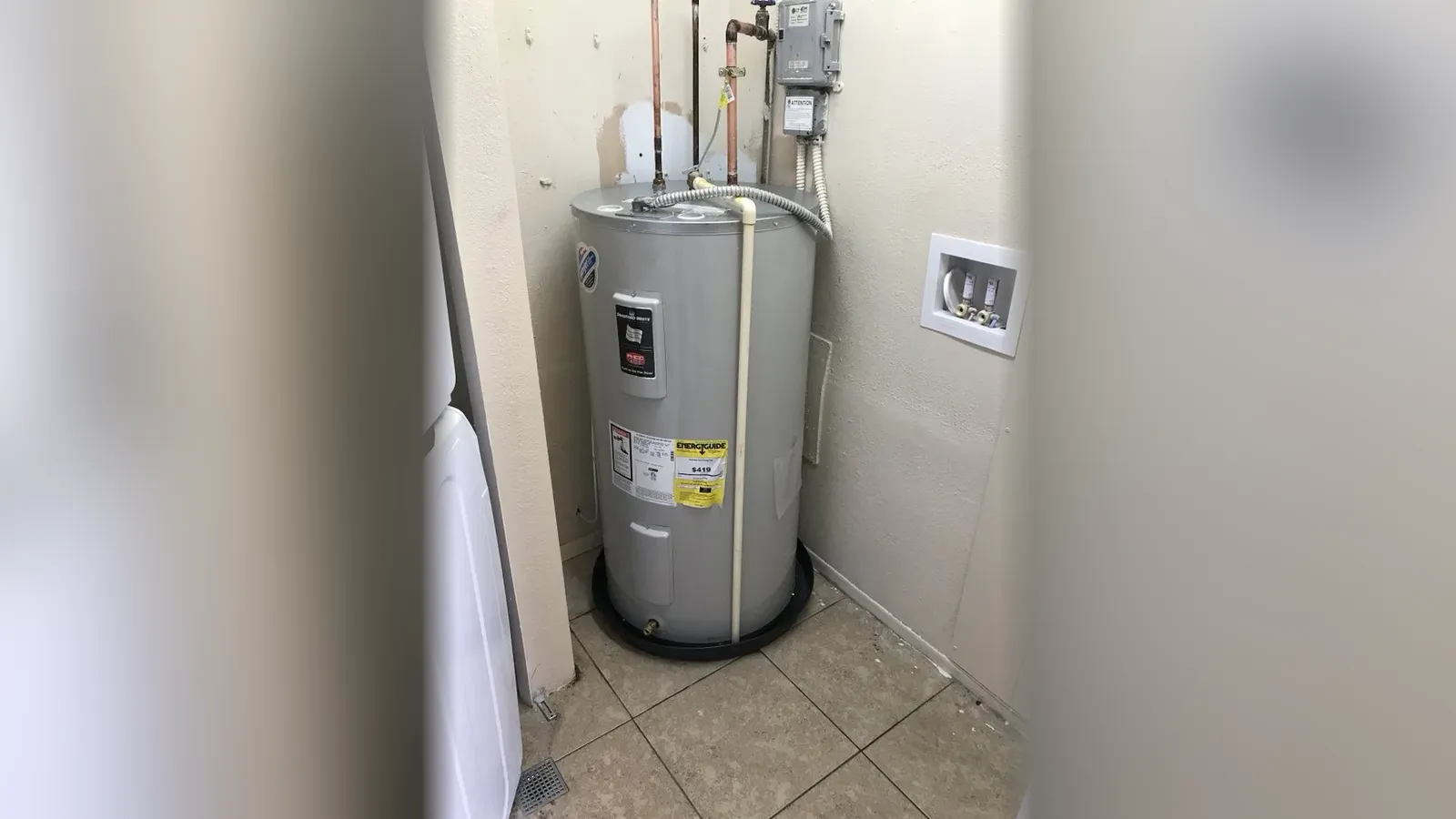
When a water heater fails, most people replace it with the same size they had. That's often fine, but not always. If you've been running out of hot water, your household has grown, or you're thinking about going tankless, it's worth checking the size. Too small and you're taking cold showers. Too big and you're paying to heat water you don't use.
Tank Water Heaters: Start With Your Household
Tank sizes are measured in gallons. As a rough starting point:
- 1 to 2 people: 30 to 40 gallons
- 3 to 4 people: 40 to 50 gallons
- 5 or more people: 50 gallons or more
Gas water heaters recover, or reheat, faster than electric ones, so a 40-gallon gas heater can often keep up with what would take a 50-gallon electric unit.
The Number That Matters More: First-Hour Rating
The gallon size tells you how much water the tank holds. The first-hour rating tells you how much hot water it can deliver in a busy hour, starting with a full tank. It's printed on the yellow EnergyGuide label, and it's the better way to compare heaters.
To estimate what you need, think about your busiest hour, usually the morning. Add up roughly how much hot water gets used:
- Shower: about 10 to 20 gallons, depending on length and showerhead
- Dishwasher: about 6 gallons
- Washing machine on warm or hot: about 7 to 25 gallons, depending on the machine
- Running a kitchen faucet: a few gallons
Pick a heater whose first-hour rating is at or slightly above that total.
Tankless Water Heaters: Size by Flow
Tankless heaters don't store water, so they're sized by how many gallons per minute they can heat at once. Add up the fixtures you'd run at the same time:
- Shower: about 2 to 2.5 gallons per minute
- Kitchen or bathroom faucet: about 1 to 2
- Dishwasher or washing machine: about 1 to 2
Two showers and a dishwasher running together need roughly 5 to 7 gallons per minute.
The Florida advantage: a tankless heater's output depends on how much it has to raise the water temperature. Groundwater up north can come in near 40 to 50 degrees. Ours is much warmer, often in the 70s. That smaller temperature rise means the same tankless unit delivers more hot water here than it would in a cold climate.
Other Things That Affect the Choice
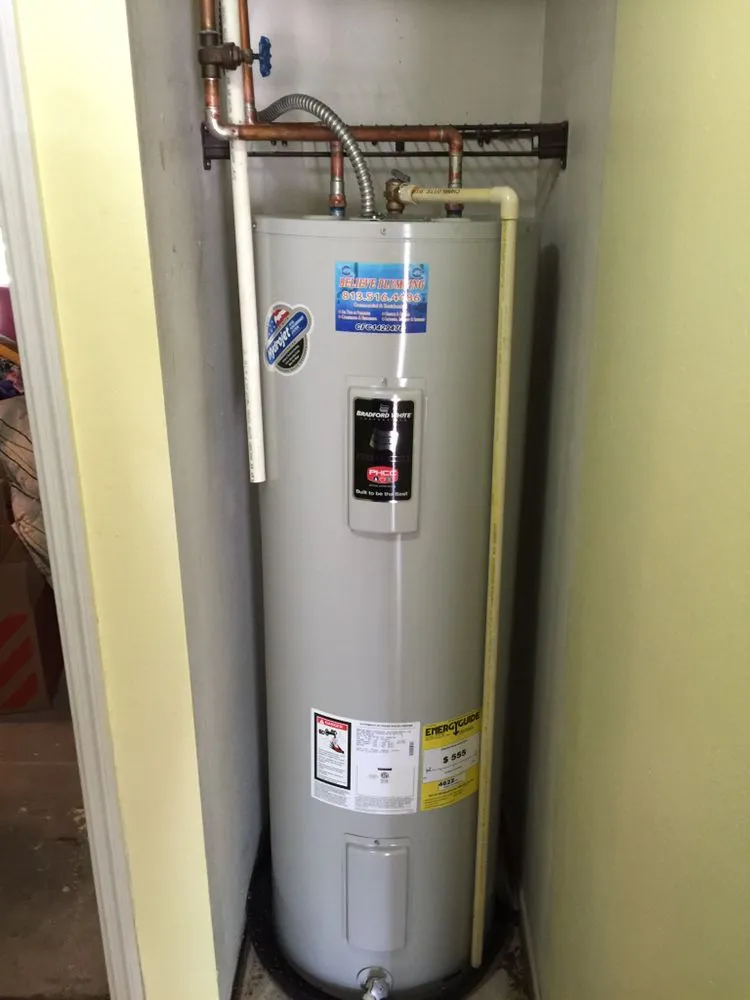
- Space. Many Tampa Bay homes have the water heater in a closet, laundry room or attic. Tall and short models of the same capacity fit different spaces, and some closets simply can't take a bigger tank.
- Fuel. Gas tankless units need an adequately sized gas line and proper venting. Electric tankless units need a lot of electrical capacity, sometimes more than an older panel has.
- Big tubs and multi-outlet showers. A soaking tub or a shower with body sprays can use more hot water than a standard heater supplies. See bathroom remodel plumbing.
- Hard water. Whatever you choose, Tampa Bay's hard water means regular flushing helps it last. See flushing a tank and tankless maintenance.
Tank or Tankless?
A tank heater costs less up front and is usually a straightforward swap. A tankless unit costs more to install but gives you endless hot water, takes up less space and uses less energy. Our post on tank vs. tankless covers the trade-offs in detail.
Get the Size Right
Believe Plumbing installs tank and tankless water heaters, gas and electric, across Tampa Bay, and we'll help you size it for how your household actually uses hot water. Replacements need a permit, which we pull as part of the job. See our water heater services or contact us for a free estimate.
Need a Plumber in Tampa Bay?
Believe Plumbing is available 24/7 for emergencies and offers free estimates on all services.