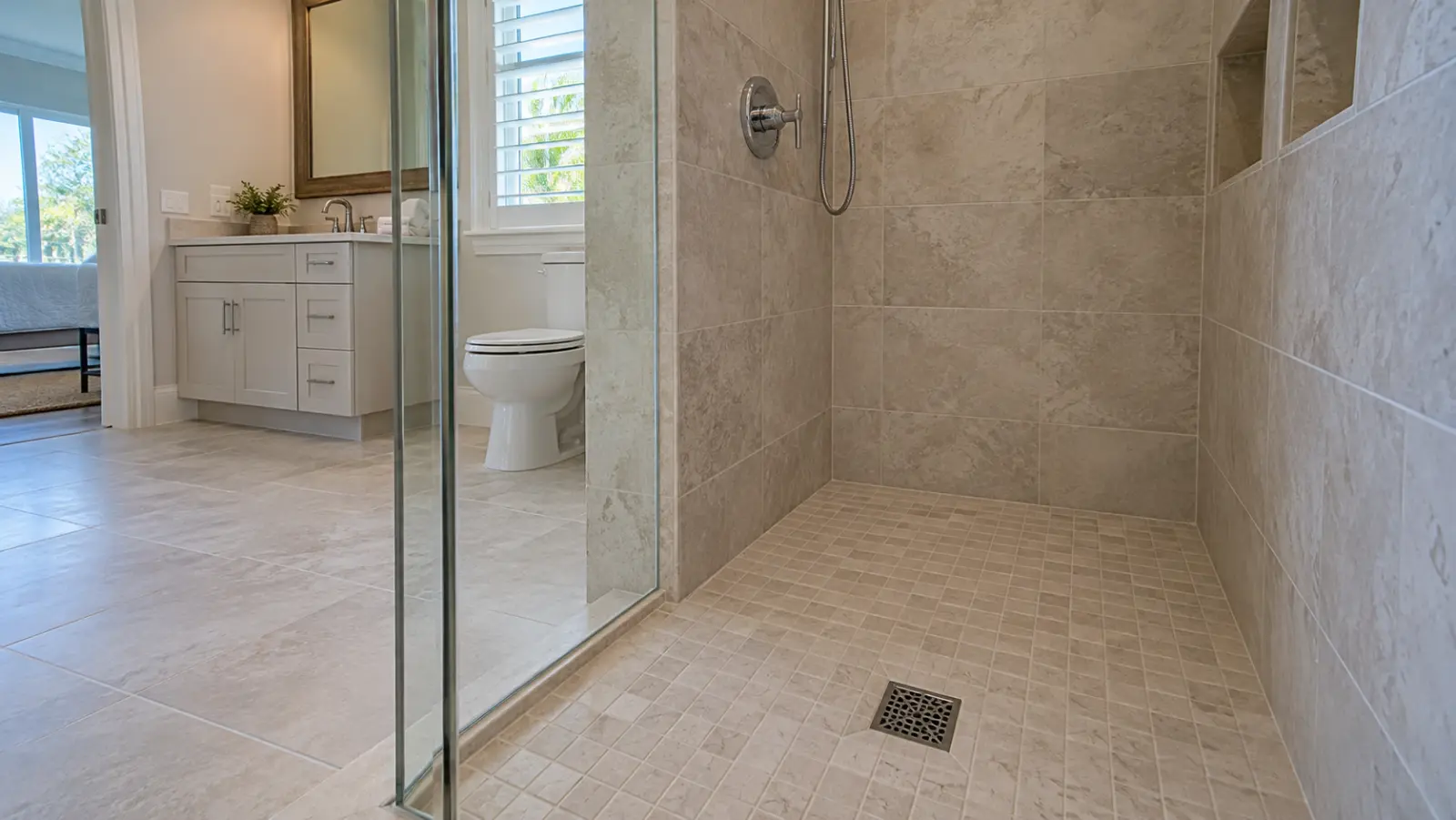
A sewer smell in the house is unpleasant, and it's natural to worry it means something serious. Often it doesn't. Most sewer odors come from a handful of simple causes, and some take seconds to fix. Here's how to track it down.
First: Is It Sewer Gas or Natural Gas?
Natural gas has an added odor that smells like rotten eggs, and it's easy to confuse with sewer gas. If you have gas appliances and smell rotten eggs, especially near the stove, water heater or furnace, don't take chances. Get everyone out of the house, don't flip switches, and call your gas utility or 911 from outside.
A rotten-egg smell only from the hot water tap is different. That usually comes from the water heater's anode rod. See our water heater post.
1. A Dry Drain Trap
Every drain has a trap, a curved section of pipe that holds a little water. That water blocks sewer gas from coming up into the room. If a drain isn't used for a few weeks, the water evaporates, and Florida's heat speeds that up. Guest showers, floor drains, laundry sinks and drains in a vacation home are the usual suspects.
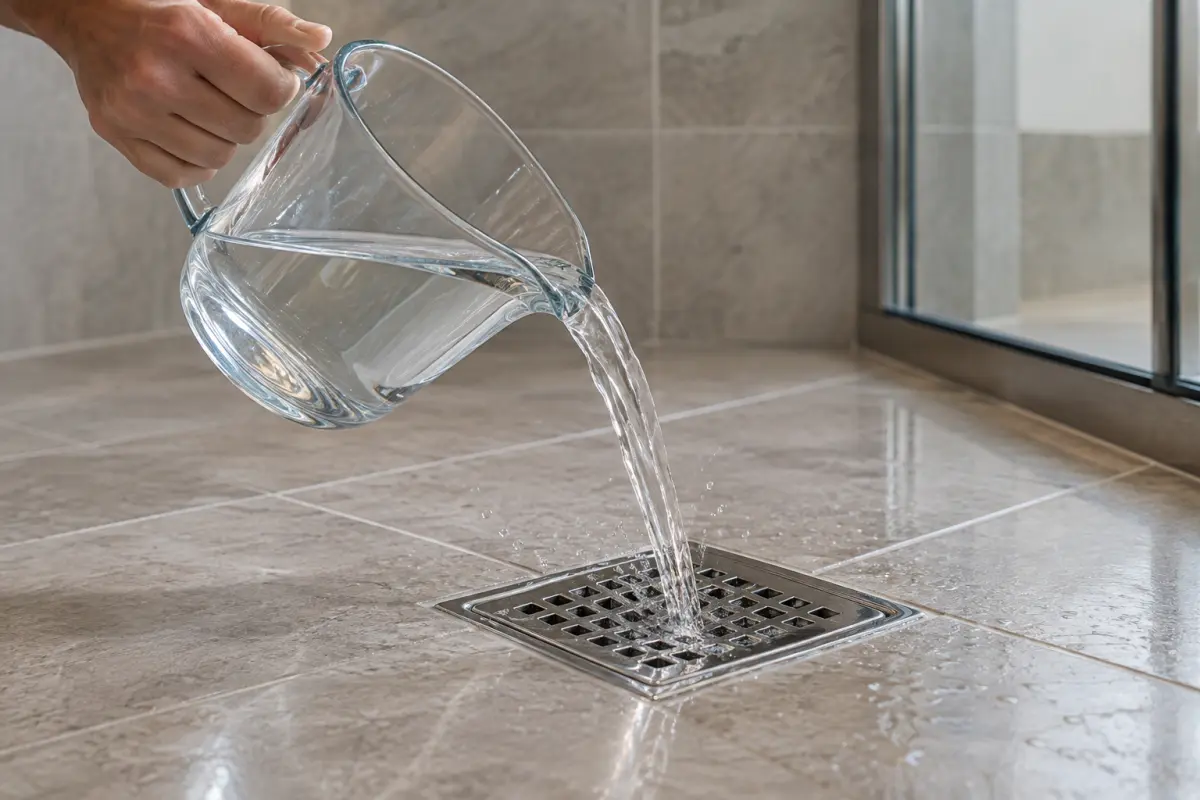
The fix: run water in every drain for a few seconds, or pour a cup or two of water down floor drains. If a drain goes unused for long stretches, repeat it every couple of weeks.
2. A Failed Toilet Seal
A wax ring seals the toilet to the drain in the floor. When it fails, sewer gas can leak out around the base. Signs include a smell near the toilet, a toilet that rocks, or water or staining around the base. The fix is resetting the toilet with a new wax ring, which also protects the subfloor from leaks.
3. A Smelly Sink Overflow or Drain
Bathroom sinks have a small overflow hole near the top of the bowl. Soap scum, hair and toothpaste build up inside it and in the drain below, and that buildup can smell like sewage. Clean the overflow and the drain stopper with a small brush and hot water.
4. The Washing Machine Drain
The washer drains into a standpipe behind the machine. If it was installed without a proper trap, or the trap has dried out, sewer gas comes up through it. Smell behind the washer is a good clue.
5. A Blocked Roof Vent
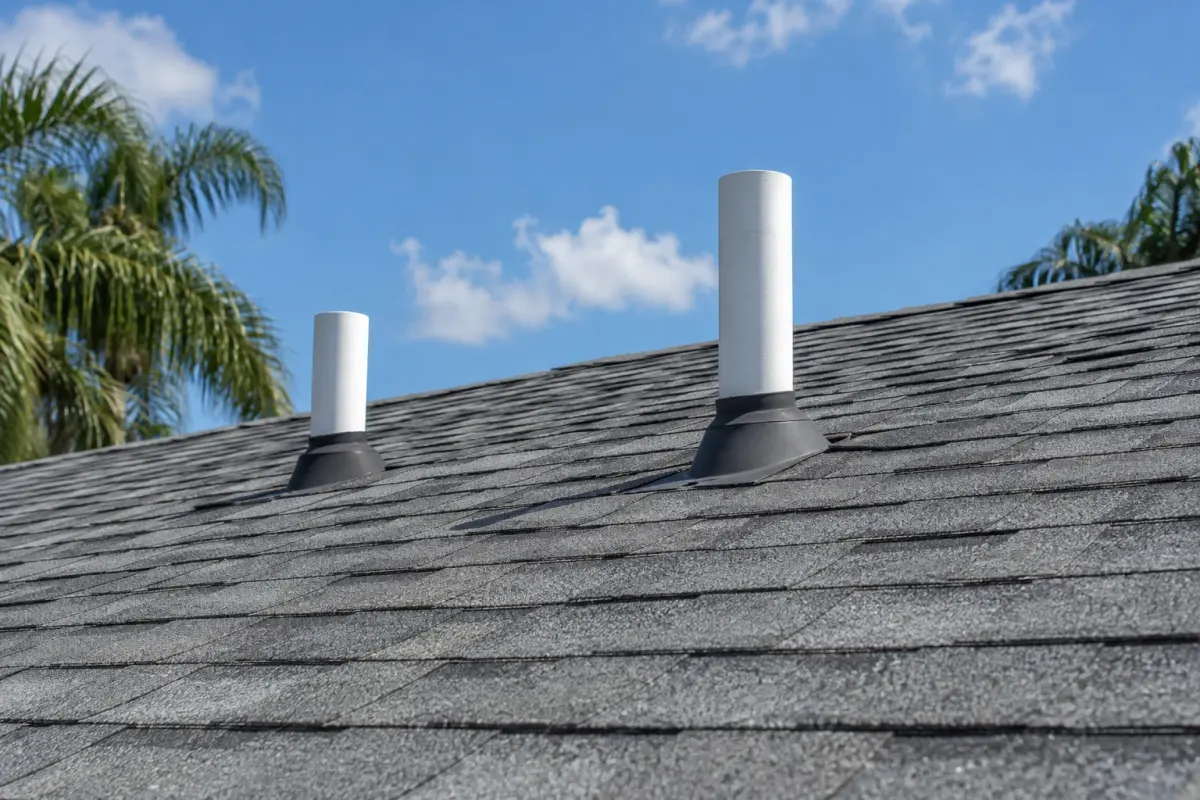
Your plumbing has vent pipes that go up through the roof. They let sewer gas out above the house and let drains flow smoothly. If a vent is blocked by leaves, a nest or debris, drains can gurgle and water can get pulled out of the traps, letting odor in. Gurgling plus a smell is a sign to have the vents checked. Leave roof work to a professional.
6. A Missing or Loose Cleanout Cap
Sewer cleanouts, inside the house or in the yard, are capped access points to the drain line. A missing, cracked or loose cap lets sewer gas out. If the smell is strongest outside near the house, check the cleanout.
7. A Cracked Drain Line
If none of the above explains it, the drain line itself may be cracked, especially in older homes with cast-iron drains. A crack inside a wall or under the slab can leak sewer gas, along with moisture that leads to musty smells and damp spots. A camera inspection finds it without guesswork.
When to Call a Plumber
- The smell keeps coming back after you've refilled the traps
- Drains are gurgling or slow in several places
- The toilet rocks or there's staining at its base
- You notice damp spots, lifting floor tile or a musty smell along with it
- Your home is older and still has original drain lines
Still Smell Sewer?
Believe Plumbing finds and fixes sewer odors across Tampa Bay, from toilet seals to drain line repairs. See our drain and sewer line services, including Tampa, Pinellas Park and Riverview, or contact us for a free estimate.
Need a Plumber in Tampa Bay?
Believe Plumbing is available 24/7 for emergencies and offers free estimates on all services.