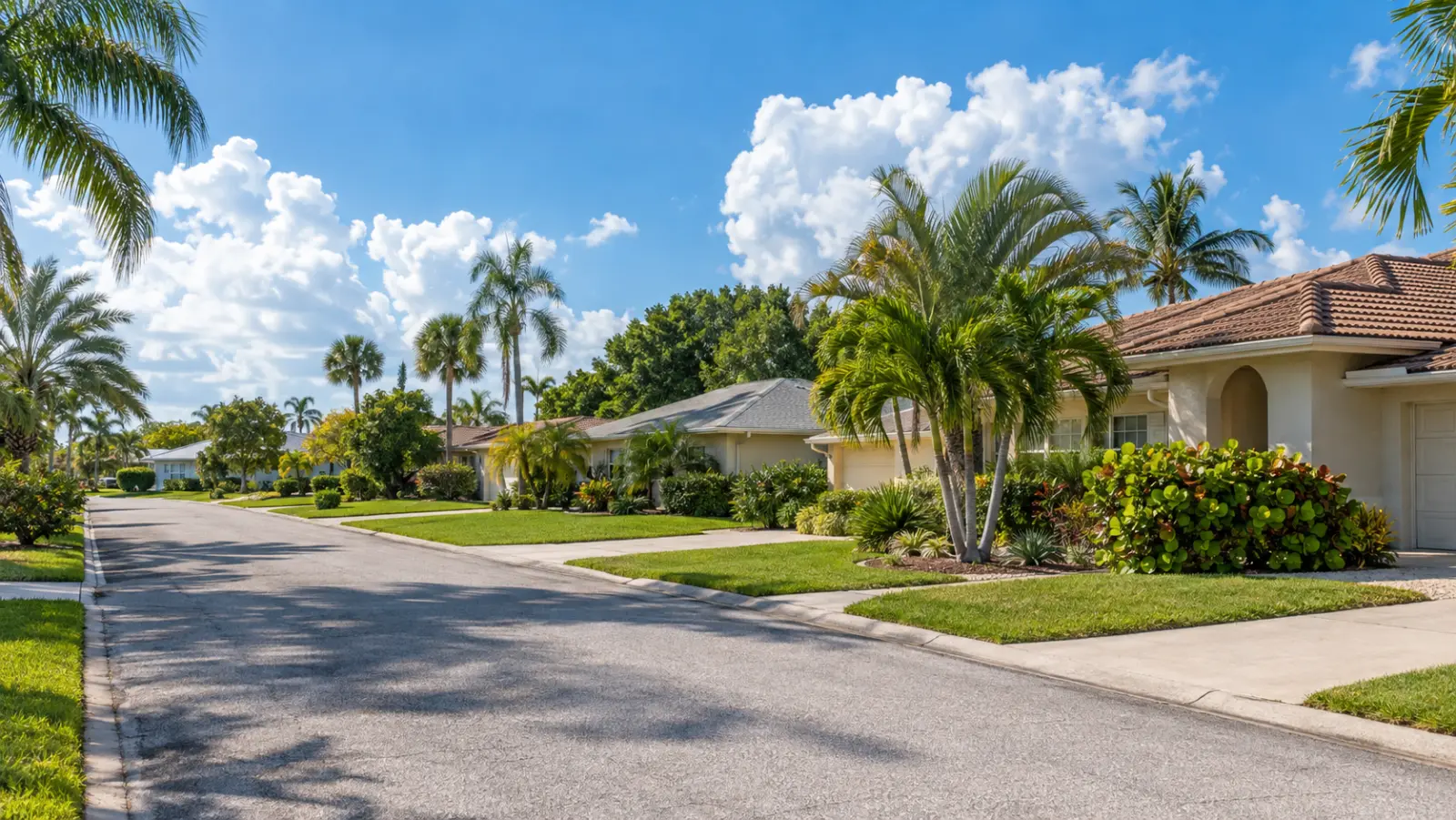
We reach Clearwater from our West Tampa shop across the Courtney Campbell Causeway, and we work everywhere from the beach condos to the neighborhoods around Countryside. Clearwater's mix of coastal properties, older homes near downtown and 1970s and 1980s subdivisions gives it a few plumbing issues worth knowing about.
Know Your Home
Clearwater has beachside condos on Clearwater Beach and Island Estates, older single-family homes near downtown and in neighborhoods like Skycrest and Morningside, and large areas like Countryside that were mostly built in the 1970s and 1980s. The age and location of your home say a lot about what to watch for.
1. Corrosion Near the Coast
Salt air and humidity are hard on metal. On the beach side, exposed valves, fittings, hose bibs and fixture finishes corrode much faster than they would inland. A corroded shut-off valve may not close when you need it, and a corroded fitting eventually leaks.
- Check outdoor hose bibs and the main shut-off valve every year and make sure they turn.
- Replace valves and fittings that show heavy corrosion before they fail.
- When choosing new fixtures, ask about finishes and materials that hold up in coastal conditions.
2. Polybutylene Pipe
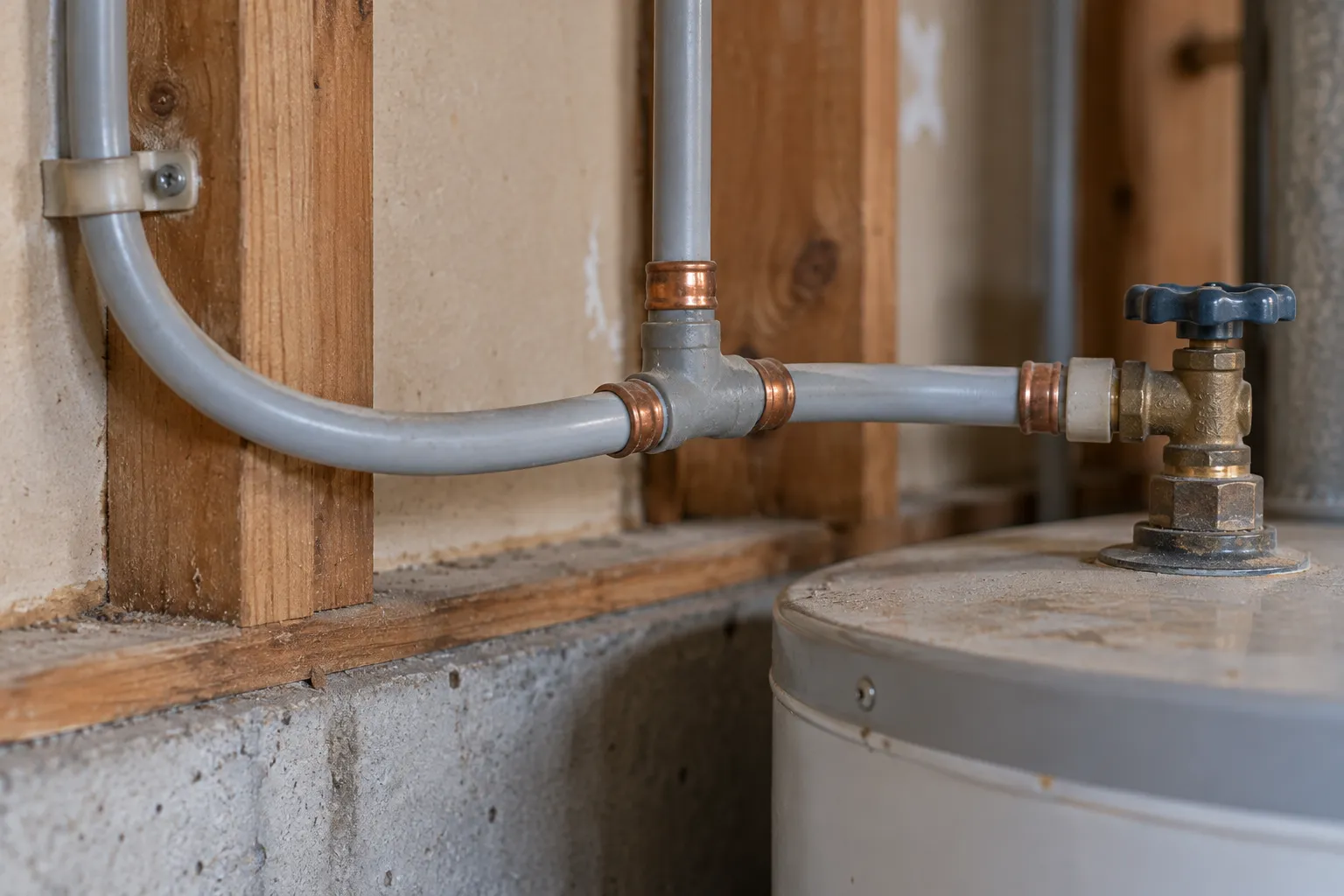
Homes built from the late 1970s to the mid-1990s, which includes a lot of Countryside, may still have gray polybutylene supply pipe. It's often stamped "PB2110" and can fail at the fittings without warning. Many insurers ask about it. Check near the water heater and under sinks. Our guide to polybutylene pipes explains how to spot it and why a repipe is the permanent fix.
3. Condo Drain Stacks
In a multi-story building, units share vertical drain lines called stacks. A clog or leak in one stack can affect several units, and water from a unit above can show up in yours. Finding which unit or section is the source is the first step. If you live in a condo, know who's responsible for what: usually the association handles shared stacks and the owner handles the lines inside the unit, but check your condo documents.
4. Hard Water
Clearwater's water is hard and builds scale in water heaters, faucets and toilet parts. Flushing the water heater once a year and a water softener or filter help everything last longer. See why your water heater is popping.
5. Storms and Flooding
Low-lying and waterfront areas deal with storm surge and flooding. A water heater that's been underwater shouldn't be switched back on until it's been checked. See plumbing after a hurricane or flood.
Permits in Clearwater
Inside Clearwater city limits, plumbing permits go through the City of Clearwater. Some neighboring areas are unincorporated Pinellas County and go through the county instead. When a job needs a permit, we pull it as part of the job.
Plumbing Help in Clearwater
Believe Plumbing serves Clearwater, from Clearwater Beach and Island Estates to Countryside, Morningside, Skycrest and Del Oro Groves. We're licensed (CFC1429476), and estimates are free. See our Clearwater plumbing page, including repiping, water heaters and drain cleaning, or contact us.
Need a Plumber in Tampa Bay?
Believe Plumbing is available 24/7 for emergencies and offers free estimates on all services.