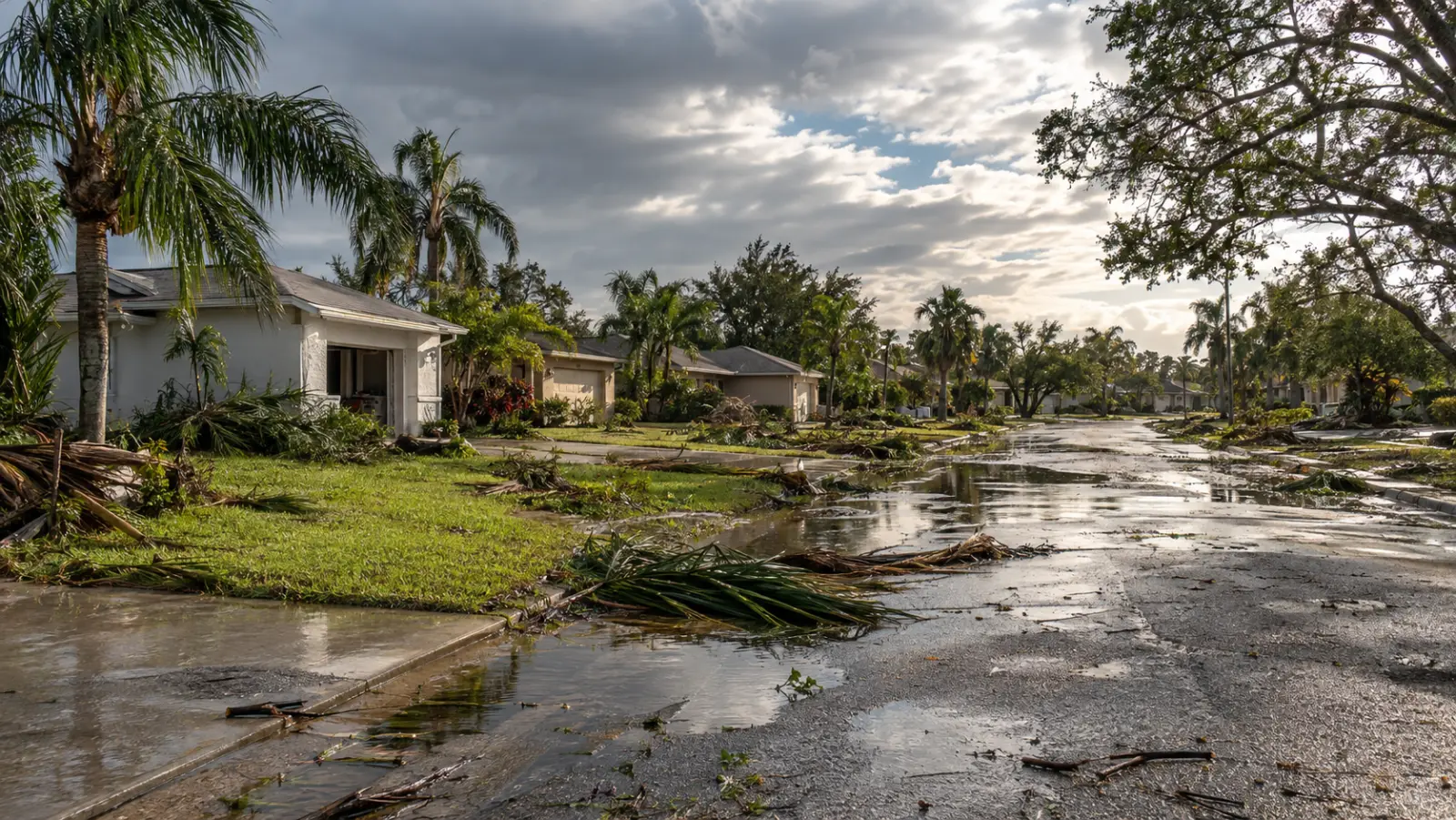
Getting ready for a hurricane is one job. Dealing with what it leaves behind is another. After a storm or flood, your plumbing may look fine and still have problems, from unsafe tap water to a water heater that shouldn't be turned back on. Here's what to check once it's safe to go home.
Safety comes first. Stay out of floodwater, which can hide debris and carry sewage and electrical current. Don't use electrical appliances that got wet until an electrician checks them. If you smell gas, leave and call your gas utility or 911.
1. Is Your Tap Water Safe?
Storms can damage water mains and treatment systems. Check your city or county utility, local news or its social media for a boil water notice. Until it's lifted, boil water for drinking, cooking, brushing teeth and making ice, or use bottled water.
Even without a notice, run your cold taps for a few minutes after the water comes back on to flush out the lines. If the water looks cloudy or smells off, contact your utility.
2. Go Easy on the Drains
Sewer systems rely on pump stations, and when the power is out or the system is flooded, they can't keep up. Utilities often ask residents to limit water use after a storm: fewer showers and loads of laundry, and no dishwasher until things are back to normal. Using lots of water while the system is overwhelmed can push sewage back into homes at the lowest drains.
If sewage backs up into your tub, shower or floor drain, stop using water, keep everyone away from it, and call a plumber. Sewage contamination needs proper cleanup.
3. Don't Turn On a Flooded Water Heater
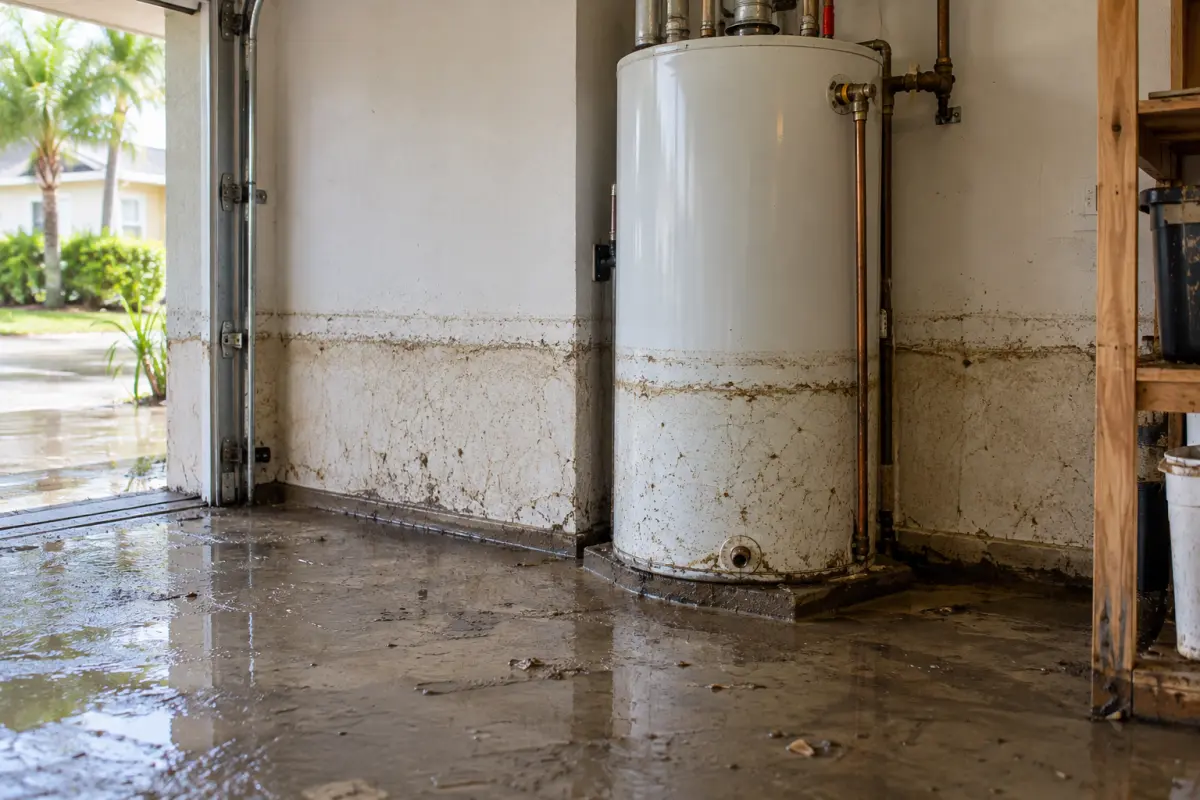
If floodwater reached your water heater, don't turn it back on. Water can damage the gas controls, burner or electrical parts, and a damaged unit can be dangerous. Have it checked. In many cases, especially gas units whose controls were submerged, replacement is the safe choice. Many homes in low-lying areas like Shore Acres and Snell Isle in St. Petersburg and parts of South Tampa deal with this after big storms.
4. Septic Systems Need Time
If you're on septic, a flooded drain field can't absorb water. Use as little water as possible until the ground dries out and floodwater recedes. Don't have the tank pumped while the ground is still saturated. An empty tank in waterlogged soil can shift or float. Once things dry out, have the system checked if drains are slow or you notice odors or soggy ground over the drain field.
5. Look for Leaks and Damage
- Uprooted trees can crack or pull apart the sewer and water lines underneath them. A new soggy spot in the yard, sewer smells, or slow drains after a storm are warning signs.
- Check your water meter with everything turned off. If it's still moving, there's a leak somewhere.
- Look at exposed pipes outside: hose bibs, the main shut-off and the line to your irrigation system.
- Watch for low pressure or water coming out discolored, which can mean a damaged supply line. See low water pressure causes.
6. Turning the Water Back On
If you shut off your main water before the storm, as our hurricane prep guide recommends, turn it back on slowly and listen for running water or hissing. Check under sinks, around toilets and at the water heater for drips. If something burst while the house was empty, see what to do first.
Document Everything
Before cleanup, take photos and video of any water damage, damaged fixtures and the water heater. Keep receipts. If you file an insurance claim, ask your plumber for a written description of the damage and what was repaired or replaced.
Storm Damage to Your Plumbing?
Believe Plumbing repairs storm and flood damage across Tampa Bay, from water heater replacements to damaged water and sewer lines. See our water heater and sewer line services, or contact us.
Need a Plumber in Tampa Bay?
Believe Plumbing is available 24/7 for emergencies and offers free estimates on all services.