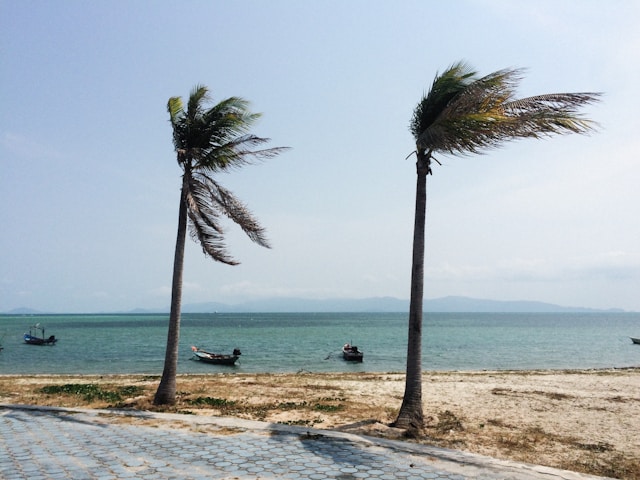
Florida's hurricane season runs June through November, and in Tampa Bay, preparation is a mindset that every homeowner develops over time. Most storm prep checklists cover windows, generators, and supplies — but your plumbing system deserves the same attention. A few hours of preparation before a major storm can prevent flooding, burst pipes, sewage backups, and thousands of dollars in water damage.
Fix Existing Leaks Before Storm Season Arrives
Any leak that's minor under normal conditions can become a major problem during a storm. The combination of pressure fluctuations, debris, and potential flooding will stress weakened connections and accelerate failures. Before June arrives, walk through your home and address any known drips, slow drains, or questionable pipe fittings. What seems like a low-priority repair in the spring becomes an emergency during a storm.
Secure and Shut Down Outdoor Plumbing
Outdoor plumbing components are particularly vulnerable to hurricane-force winds and flying debris:
- Disconnect and store garden hoses. A loose hose in high winds becomes a projectile. Disconnect them from spigots and store them inside.
- Turn off and drain irrigation systems. Shut off irrigation at the controller and at the backflow preventer valve. Flooded yards and surging water pressure can damage irrigation heads and supply lines.
- Protect outdoor faucets. Cover hose bibs with insulated faucet covers to protect against debris impact and to prevent anything from entering the opening.
Know Where Your Main Water Shutoff Is
If you need to evacuate or if a storm causes a pipe to burst, being able to shut off water to the entire house quickly is critical. Locate your main shutoff valve now — typically at the water meter near the street, or where the supply line enters the house — and make sure it turns freely. Shutoff valves that haven't been operated in years can seize. If yours is stuck, a plumber can service or replace it before storm season.
If you evacuate ahead of a storm, shut off the main water supply. A burst pipe in an unoccupied home can flood for days before anyone notices.
Secure Your Water Heater
Water heaters — especially those in garages — can tip over in strong winds or if a structure shifts during a storm. Secure your water heater to the wall with straps rated for this purpose. If your garage or utility room is prone to flooding, consider elevating the unit on a raised platform. A water heater submerged in floodwater must be inspected by a professional before being restarted — especially gas units.
Clear Gutters and Check Downspouts
Gutters and downspouts are your home's first line of defense against roof drainage overwhelming your foundation and indoor plumbing. Before storm season, clear them of debris and make sure downspouts extend at least three to four feet away from the foundation. Clogged gutters during heavy rainfall can direct water into soffits, walls, and ultimately your home's interior.
Protect Against Sewer Backups
During heavy storms, municipal sewer systems can become overwhelmed, causing water and sewage to flow backward into homes through floor drains, toilets, and tubs. A backflow prevention valve installed on your main sewer line stops this from happening. If your home doesn't have one, this is one of the most valuable pre-storm investments a Tampa Bay homeowner can make.
Have an Emergency Contact Ready
Even with preparation, storms cause damage. Have the contact information for a licensed plumber who offers 24/7 emergency service saved in your phone before the storm. Believe Plumbing provides emergency plumbing service throughout the Tampa Bay area — we're available when you need us most. Save our number before storm season starts.
Need a Plumber in Tampa Bay?
Believe Plumbing is available 24/7 for emergencies and offers free estimates on all services.