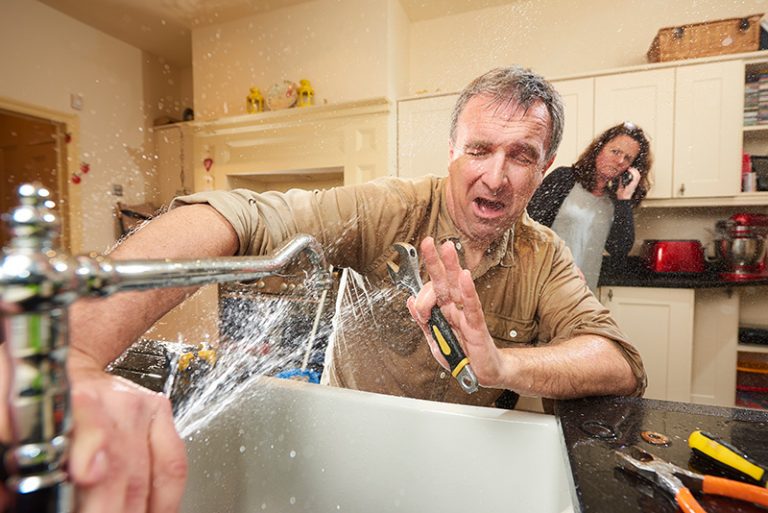
Most plumbing problems we get called out to fix didn't start as emergencies. They started as small oversights — a drain that got treated like a trash can, a repair attempted without the right knowledge, a shutoff valve that nobody knew how to use. Here are five of the most common plumbing mistakes we see Tampa Bay homeowners make, and what to do instead.
Mistake #1: Using Chemical Drain Cleaners
Chemical drain cleaners are heavily marketed as a quick fix for slow or clogged drains, but they're one of the worst things you can regularly put down your pipes. Most contain sodium hydroxide (lye) or sulfuric acid — highly caustic compounds that generate heat as they work. That heat and chemical reaction damages the interior of pipes over time, particularly in older homes with galvanized steel or PVC that's already showing wear.
Beyond the pipe damage, chemical cleaners rarely solve the underlying problem. They may open a temporary channel through a clog without fully clearing it, and the residue left behind can harden and make the next clog worse. A plunger clears most household clogs effectively without any chemical risk. A hand-crank drain snake handles the tougher ones. Save the harsh chemicals as an absolute last resort — not a first response.
Mistake #2: Not Turning Off the Water Before Starting Work
This seems obvious until it happens to you. A homeowner replaces a supply line under the sink without closing the shutoff valve — it sticks, they move quickly, and suddenly there's water spraying across the cabinet. Even a "quick" faucet washer swap can go wrong if water pressure is still in the line when a fitting comes loose.
Before any plumbing work, locate the appropriate shutoff valve and confirm it closes fully. The individual stop valves under sinks and behind toilets handle most repairs. For work on the water heater or main supply lines, you'll need the main shutoff. Know where yours is before you pick up a wrench — not after.
Mistake #3: Over-Using the Garbage Disposal
Garbage disposals are genuinely useful, but they get treated as an extension of the trash can far too often. Grease and cooking oils poured down the disposal cool and solidify in the drain line, creating stubborn clogs that build up over months. Fibrous vegetables — celery, asparagus, artichoke leaves — wrap around the shredder ring and jam the mechanism. Starchy foods like pasta and rice expand when wet and turn into thick paste that blocks the drain.
The rule is simple: soft food scraps in small amounts, with cold water running throughout. Everything else goes in the trash or compost. If your disposal jams, use the hex key reset tool on the bottom of the unit — don't stick your hand in, and don't pour drain chemicals in hoping to dissolve the clog.
Mistake #4: Ignoring Small Leaks
A slow drip under a sink or a toilet that runs occasionally for a few seconds after flushing feels like a low-priority problem. It usually isn't. In Tampa Bay's humid environment, even a small persistent drip creates ideal conditions for mold — and mold growing inside a cabinet or behind a wall is far more expensive to remediate than fixing the leak that caused it.
Running toilets waste an average of 200 gallons per day, which adds up fast on a water bill. Supply line drips that seem minor can accelerate quickly if the line is already degraded. The fix for most of these is inexpensive and quick. Letting them run is the expensive option.
Mistake #5: Attempting Complex Repairs Without the Right Knowledge
There's a meaningful difference between replacing a toilet flapper and attempting to reroute a drain line or install a water heater without a permit. DIY videos make complex plumbing look straightforward, and sometimes it is — but miscalculated pipe slope, incorrect venting, improper water heater connections, and failed fittings all have consequences that go beyond the immediate repair.
In Florida, permitted plumbing work that's done incorrectly can create problems when you sell your home, affect your homeowner's insurance claims, and in the case of gas lines or pressure vessels, create genuine safety hazards. When a job involves permits, gas, water heaters, or anything behind walls, it's worth calling a licensed plumber — not because you can't learn, but because the cost of getting it wrong significantly exceeds the cost of getting it right the first time.
If you're dealing with a plumbing issue and aren't sure whether it's a DIY job or one for a pro, give us a call. We're happy to talk it through.
Need a Plumber in Tampa Bay?
Believe Plumbing is available 24/7 for emergencies and offers free estimates on all services.