Most plumbing problems don't come out of nowhere. They develop gradually — a slow drip that worsens, a water heater filling with sediment, a drain that clogs a little more each month. The homeowners who avoid expensive emergency calls are generally the ones who spend a little time on prevention. Here are five maintenance habits that make a real difference for Tampa Bay homes.
1. Check for Leaks on a Regular Schedule
Leaks are the most common source of hidden water damage in residential plumbing. A slow drip under a sink or a weeping pipe connection might lose only a gallon or two per day, but over months it saturates cabinet floors, promotes mold growth, and can damage structural framing. Tampa's humidity makes it worse — wet wood doesn't dry out the way it would in a drier climate.
Once every few months, open the cabinet under every sink and check the supply lines, shutoff valves, and drain connections for moisture. Inspect the area around toilets and the base of your water heater. Run your hands along accessible pipe runs in the garage or utility room. Anything that's damp when it shouldn't be deserves attention before it gets worse.
You can also monitor for hidden leaks using your water meter. Shut off every water-using appliance and fixture in the house, then check whether the meter is still moving. If it is, water is going somewhere it shouldn't be.
2. Keep Your Drains Clear
Clogged drains are the most frequent plumbing complaint in Tampa Bay homes, and most of them are preventable. The culprits vary by location: grease and food waste in kitchen drains, hair and soap scum in bathroom drains, and mineral buildup in any drain over time.
Use a drain strainer in every sink and shower to catch debris before it enters the pipe. Never pour cooking grease or oil down a drain — even a little bit accumulates over time, sticking to pipe walls and collecting other debris. In the kitchen, scrape plates into the trash before rinsing. A monthly flush with very hot water helps keep drain lines clear of early buildup before it becomes a full obstruction.
Skip the chemical drain cleaners. They're caustic to pipes and rarely remove the clog entirely — they just open a temporary channel through it. A plunger or drain snake is more effective and safer for your plumbing.
3. Flush Your Water Heater Annually
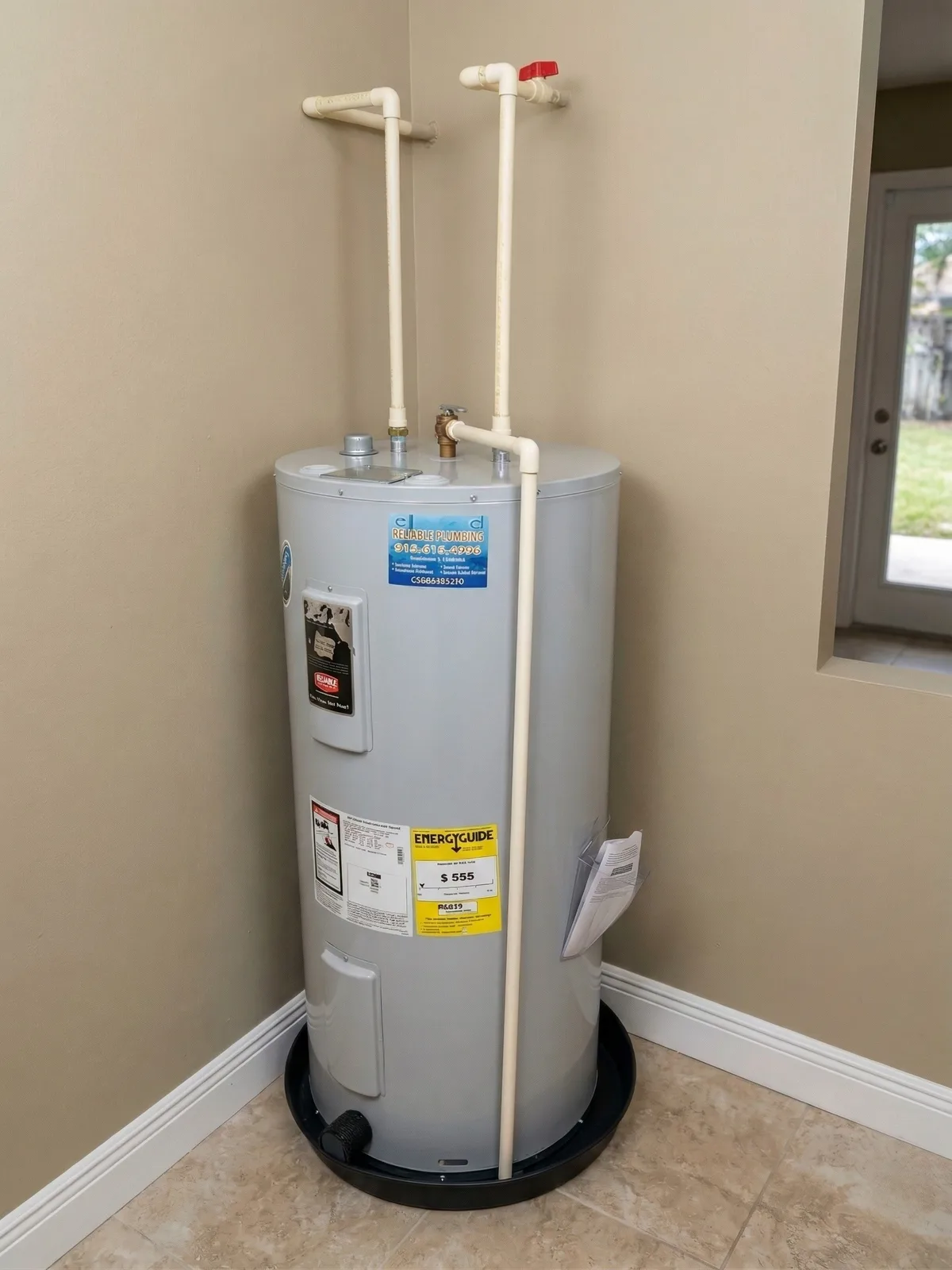
In Tampa Bay's hard water environment, mineral sediment accumulates at the bottom of tank water heaters every year. Left unaddressed, this layer insulates the bottom of the tank from the heating element, forcing the unit to work harder and use more energy to heat the same amount of water. It also shortens the heater's lifespan significantly — sediment buildup is one of the primary reasons Tampa Bay water heaters fail prematurely.
Flushing the tank annually removes this buildup. The process involves connecting a hose to the drain valve, running water out until it runs clear, and refilling. It takes about 30 minutes. If you've never flushed your current water heater or it's been several years, you may find the sediment has hardened to the point where flushing alone won't fully clear it — that's when a professional service call is warranted.
4. Know Where Your Shutoff Valves Are
This isn't a maintenance task per se, but it's one of the most important things a homeowner can know. In a plumbing emergency — a burst pipe, an overflowing toilet, a dishwasher hose that blows off — every second of delay costs you. Knowing exactly where to go to cut the water dramatically limits the damage.
Locate and test your main shutoff valve (at the meter or where the supply line enters the house), and the individual shutoff valves under each sink and behind each toilet. Valves that haven't been operated in years can seize and fail to close fully. Turn them a full cycle periodically to keep them exercised. If any valve is stiff, corroded, or won't fully close, replace it before you need it in an emergency.
5. Schedule Professional Inspections for Older Homes
DIY maintenance covers a lot of ground, but there are things a licensed plumber can identify that aren't visible to the eye — pipe corrosion inside walls, early slab leaks, root intrusion in the sewer line, pressure regulator degradation. If your home is more than 20 years old, an annual or biennial professional plumbing inspection is a genuinely worthwhile investment.
Many Tampa Bay homes from the 1970s and 80s still have original plumbing that's approaching or past its expected lifespan. A proactive inspection tells you what's coming before it becomes an emergency — and gives you time to plan and budget for repairs rather than scrambling when something fails at the worst possible moment.
At Believe Plumbing, we offer comprehensive plumbing inspections for Tampa Bay homeowners. Contact us to schedule a visit from our licensed team.
Need a Plumber in Tampa Bay?
Believe Plumbing is available 24/7 for emergencies and offers free estimates on all services.