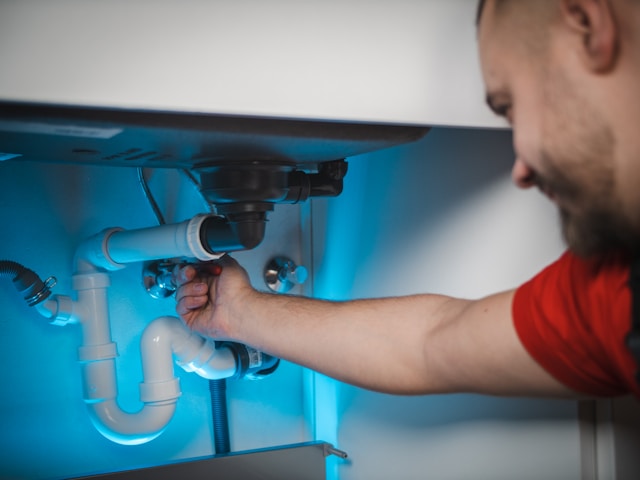
Plumbing problems are an inevitable part of homeownership. Some are genuinely simple — a worn washer, a running toilet flapper — and tackling them yourself is a reasonable weekend task. Others look deceptively simple but can escalate quickly into water damage, mold, or code violations if handled incorrectly. Knowing where that line is will save you time, money, and serious stress.
DIY Fixes You Can Safely Attempt
Unclogging a Slow Drain
A single slow drain is usually a localized clog — hair in a bathroom sink, grease buildup in a kitchen pipe — and a plunger or hand-crank drain snake will often clear it. A mixture of baking soda followed by white vinegar and a boiling water flush can help on minor kitchen buildup. Skip the chemical drain cleaners — they're corrosive to pipes and rarely work on serious clogs anyway.
Call a pro if: Multiple drains are slow or backing up at the same time. That pattern points to a main line issue that needs professional equipment to diagnose and clear.
Replacing a Toilet Flapper
A running toilet is almost always a failed flapper or a faulty fill valve. Both parts cost a few dollars at any hardware store and install without tools in under 10 minutes. Shut off the supply valve behind the toilet, flush to empty the tank, swap the part, and turn the water back on.
Call a pro if: The toilet continues running after flapper and fill valve replacement, or if there's water on the floor around the base — that's a wax ring or flange issue.
Fixing a Dripping Faucet
Most faucet leaks stem from a worn O-ring, washer, or cartridge. Replacement cartridges for common faucet brands are widely available. Turn off the supply valves under the sink, disassemble the handle, swap the cartridge or O-ring, and reassemble. Video tutorials for specific faucet models are easy to find.
Call a pro if: The faucet body itself is cracked, the leak is coming from the supply line connection, or the valve seat is damaged — which requires a specialized tool to resurface.
Replacing a Showerhead or Faucet Aerator
Swapping a showerhead or cleaning/replacing a clogged aerator is one of the easiest plumbing tasks there is. Wrap the threads with Teflon tape, hand-tighten, and you're done. No shutoff needed for a showerhead swap if you work quickly.
Clearing a Garbage Disposal Jam
Most disposal jams can be cleared with the hex key (Allen wrench) that came with the unit. Insert it in the port on the bottom of the disposal, turn back and forth to free the jam, then press the reset button. Never put your hand inside.
Plumbing Jobs That Require a Licensed Professional
Anything Involving the Main Sewer Line
Sewer line issues — root intrusion, bellied pipe, collapsed sections — require camera inspection and either professional line clearing or pipe replacement. In Tampa Bay, a licensed plumber must pull a permit for sewer line work. Attempting this yourself risks making a bad situation significantly worse.
Water Heater Installation or Replacement
Florida requires a permit and licensed contractor for water heater installation. Beyond the legal requirement, water heaters involve gas lines, electrical connections, pressure relief valves, and proper venting — all of which carry serious safety risks when done incorrectly.
Any Work Behind Walls or Under Slabs
Hidden leaks, pipe reroutes, and slab leaks all require professional leak detection equipment and, in most cases, permits. Opening walls or cutting concrete without knowing what's there is how costly mistakes happen.
Low Pressure Affecting the Whole House
Whole-house low pressure can be caused by a failing pressure regulator, a partially closed main shutoff, corroding galvanized pipes, or a supply issue. Diagnosing the actual cause requires experience and often a pressure gauge. Guessing at the fix can lead to expensive trial and error.
Gas Line Work
Never attempt gas line repairs or modifications yourself. This requires a licensed plumber with a gas certification, and in Florida, permits are mandatory. Gas leaks are immediately life-threatening.
The Real Cost of a DIY Mistake
When a DIY plumbing repair goes wrong, the cost isn't just fixing the original problem — it's fixing the original problem plus the water damage, mold remediation, or structural repair caused by the failed attempt. A $15 faucet repair that turns into a flooded cabinet or a slow leak inside a wall can quickly become a $2,000 problem.
When you're unsure, a quick call to a licensed plumber is almost always worth it. At Believe Plumbing, we're happy to talk through what you're dealing with and give you an honest answer — even if that answer is that you can handle it yourself.
Need a Plumber in Tampa Bay?
Believe Plumbing is available 24/7 for emergencies and offers free estimates on all services.