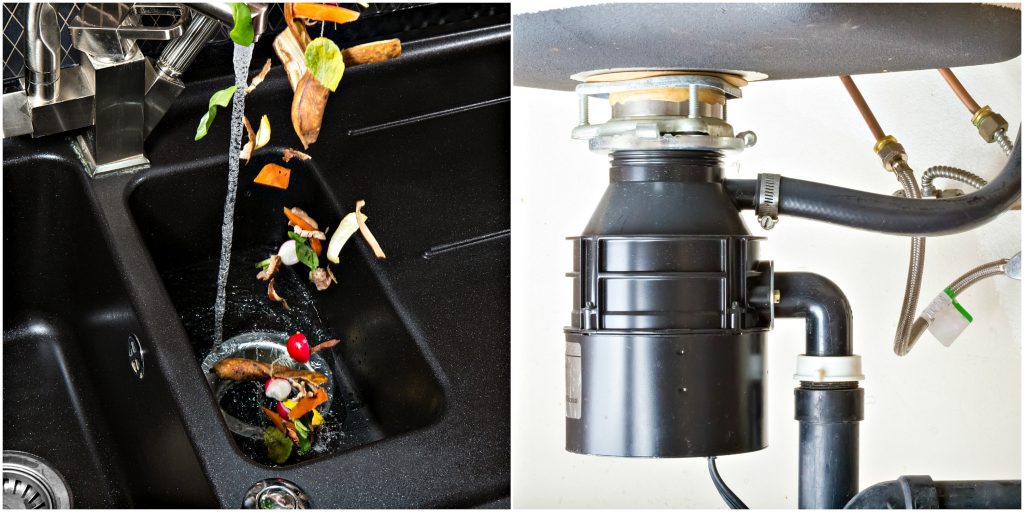
A garbage disposal is one of the most useful appliances in a kitchen — until it jams, clogs, or fails because it was asked to handle something it wasn't designed for. Disposals grind soft food waste efficiently, but the list of things that damage them or the drain lines downstream is longer than most homeowners realize. Here's what to keep out of yours.
Grease, Oils, and Fats
This is the most common — and most damaging — mistake. Liquid grease feels harmless going down, but as it moves through cooler sections of drain pipe, it solidifies and coats the interior walls. Over time this buildup narrows the drain, slows flow, and eventually creates a blockage that's difficult to clear without professional equipment. Run grease into a container, let it solidify, and throw it away. Never pour it down any drain.
Fibrous Vegetables
Celery, asparagus, artichokes, chard, and similar vegetables have long stringy fibers that behave like threads inside the disposal. Instead of being cleanly shredded, they wind around the shredder ring and impeller, binding the mechanism and causing jams. Fibrous vegetable waste belongs in the compost bin or trash, not the sink.
Starchy Foods — Pasta, Rice, and Potato Peels
Starchy foods absorb water and expand. Pasta and rice that seem small and ground going in will swell into a dense, sticky paste as they move through the drain and encounter standing water. Potato and banana peels are similarly starchy and create a thick pulp that coats pipe interiors. All of these contribute to serious clogs downstream from the disposal itself.
Coffee Grounds
Coffee grounds seem fine to flush — they're small, they're already wet — but they accumulate into a dense, mud-like sediment in the trap and drain line beneath the sink. Grounds don't dissolve; they compact. Repeated disposal of coffee grounds is a reliable path to a stubborn p-trap clog. The compost bin or trash is the right destination.
Eggshells
There's a persistent myth that eggshells sharpen disposal blades. Disposals don't have blades — they use impellers and a grinding ring. Eggshell membranes (the thin film on the inside of the shell) wrap around the shredder mechanism, and the crushed shell itself can combine with grease and other materials to form a gritty paste that accumulates in the drain line.
Fruit Pits and Hard Seeds
Cherry pits, peach pits, avocado pits, olive pits — none of these belong anywhere near a disposal. Even a small pit can shatter a shredder ring or bend an impeller arm, causing immediate mechanical failure. If the pit doesn't cause immediate damage, it will rattle and bounce until it does. Hard seeds from squash, pumpkins, and similar produce carry the same risk.
Onion Skins
The dry, papery outer layers of onions slip through the disposal mechanism without being fully shredded and then wrap around components in the drain line, catching other debris and building into blockages. The actual flesh of an onion is fine in the disposal — it's the dry outer layer that causes problems. Peel onions over the trash, not the sink.
Non-Food Items
Produce stickers, twist ties, rubber bands, broken glass, bottle caps — these occasionally end up in the sink and into the disposal. None of them will be ground and all of them can jam or damage the mechanism. Run the disposal with the drain cover in place when possible, and always check before switching it on.
If your disposal is jammed, try the hex-key reset on the underside of the unit before calling a plumber. If it's making unusual noises, draining slowly, or leaking, it may need professional service. Contact Believe Plumbing for garbage disposal repair and installation throughout Tampa Bay.
Need a Plumber in Tampa Bay?
Believe Plumbing is available 24/7 for emergencies and offers free estimates on all services.