Tampa Bay homeowners deal with a unique set of plumbing challenges — hard water, high humidity, aging pipe materials, and soil conditions that shift with Florida's weather cycles. The good news is that most of these problems are preventable with the right knowledge and a little proactive maintenance. Here are the 10 most common plumbing problems we see across Tampa Bay homes and what you can do about each one.
1. Clogged Drains
Clogged drains are the number one plumbing complaint we receive. In Tampa Bay kitchens, grease and food waste buildup is a major culprit — especially in homes where oils and fats are poured down the sink. In bathrooms, hair and soap scum combine to form thick blockages that slow drainage over time.
Prevention: Use a drain strainer in every sink and shower. Never pour grease down the drain — let it solidify and dispose of it in the trash. A monthly flush with boiling water can help break up early buildup before it becomes a full clog.
2. Hidden Leaks
Florida's shifting soil and high humidity create conditions that can weaken pipe joints and connections over time. Hidden leaks often show up as damp spots on drywall, water stains on ceilings, or unexplained increases in your water bill before you ever see standing water.
Prevention: Monitor your water meter. If usage spikes without explanation, you likely have a hidden leak. Schedule a professional leak detection inspection once a year if your home is older than 20 years.
3. Corroded Galvanized Pipes
Many Tampa Bay homes built before the 1970s still have galvanized steel pipes. Over decades, these pipes corrode from the inside out — gradually restricting water flow, reducing pressure, and eventually failing. If you have an older home and notice rust-colored water or low pressure, galvanized pipes may be the reason.
Prevention: There's no patching galvanized pipe corrosion. If your home still has them, a full repipe to copper or PEX is the permanent solution. It sounds major, but it's far less costly than dealing with a burst corroded pipe inside a wall.
4. Water Heater Sediment Buildup
Tampa Bay's hard water contains high levels of calcium and magnesium. Over time, these minerals settle at the bottom of your water heater tank, forming a thick layer of sediment. You'll often hear this as popping or rumbling noises when the heater fires. It reduces efficiency, raises your energy bill, and shortens the unit's lifespan.
Prevention: Flush your water heater tank annually to remove sediment. A whole-home water softener dramatically slows buildup and extends your heater's life by years.
5. Running Toilets
A running toilet is one of the most common — and most wasteful — plumbing problems in Tampa Bay homes. A worn-out flapper or a faulty fill valve is usually to blame. A running toilet can waste up to 200 gallons of water per day, quietly inflating your water bill every month.
Prevention: Test your toilet by putting a few drops of food coloring in the tank. If color appears in the bowl without flushing, the flapper is leaking. Flappers are inexpensive and easy to replace — don't put it off.
6. Hard Water Scale on Fixtures
The white, chalky crust that forms around faucets, showerheads, and fixture bases is calcium scale — a direct result of Tampa Bay's hard water. Beyond being unsightly, scale clogs aerators and showerhead nozzles, reducing water flow and eventually damaging fixture internals.
Prevention: Wipe fixtures dry after use to slow buildup. Soak showerheads in white vinegar regularly to dissolve scale. A water softener installed at the main line eliminates the problem at the source.
7. Low Water Pressure
Low water pressure in Tampa Bay homes is often caused by scale buildup inside pipes, partially closed shutoff valves, or a failing pressure regulator. In older homes, corroded galvanized pipes are almost always the cause. In newer homes, a clogged aerator or a municipal supply issue may be to blame.
Prevention: Clean aerators and showerheads regularly. If low pressure affects your whole home and persists, have a plumber inspect your pressure regulator and supply lines.
8. Dripping Faucets
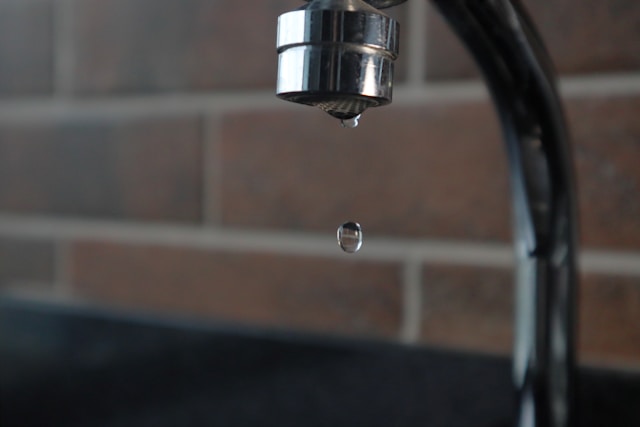
A faucet that drips once per second wastes over 3,000 gallons of water per year. In Tampa Bay's warm climate, worn O-rings and washers degrade faster than in cooler regions. What starts as an occasional drip typically worsens into a constant stream if ignored.
Prevention: Replace washers and O-rings at the first sign of dripping. Don't crank faucet handles tighter to stop a drip — that causes more wear on the seat and washer.
9. Tree Root Intrusion in Sewer Lines
Florida's lush vegetation is beautiful — but tree roots relentlessly seek moisture, and older clay or cast iron sewer lines are a prime target. Roots crack their way in through joints, causing blockages, slow drains throughout the house, and eventually full sewer line failures.
Prevention: Have your sewer line inspected with a camera every few years, especially if you have large trees near the house. Early root intrusion can be cleared; a fully collapsed line is a much larger job.
10. Water Heater Inefficiency and Early Failure
The average tank water heater lasts 8–12 years, but Tampa Bay's hard water can shorten that significantly through sediment buildup and anode rod corrosion. Many homeowners don't realize their water heater is failing until they wake up to a cold shower or find water on the floor.
Prevention: Know your water heater's age. Replace the anode rod every 3–5 years. If your heater is over 10 years old and showing signs of rust or inconsistent temperature, start planning for replacement before it fails on its own schedule.
The Bottom Line
Most plumbing problems that Tampa Bay homeowners face are preventable with regular maintenance and awareness of what's specific to this region — hard water, aging infrastructure, and Florida's natural environment. When problems do occur, catching them early is almost always less expensive than waiting.
If you're seeing any of these warning signs in your home, contact Believe Plumbing for a free inspection. Our licensed Tampa Bay plumbers are available 24/7 and can diagnose and fix any of these issues the same day.
Need a Plumber in Tampa Bay?
Believe Plumbing is available 24/7 for emergencies and offers free estimates on all services.